Introduction
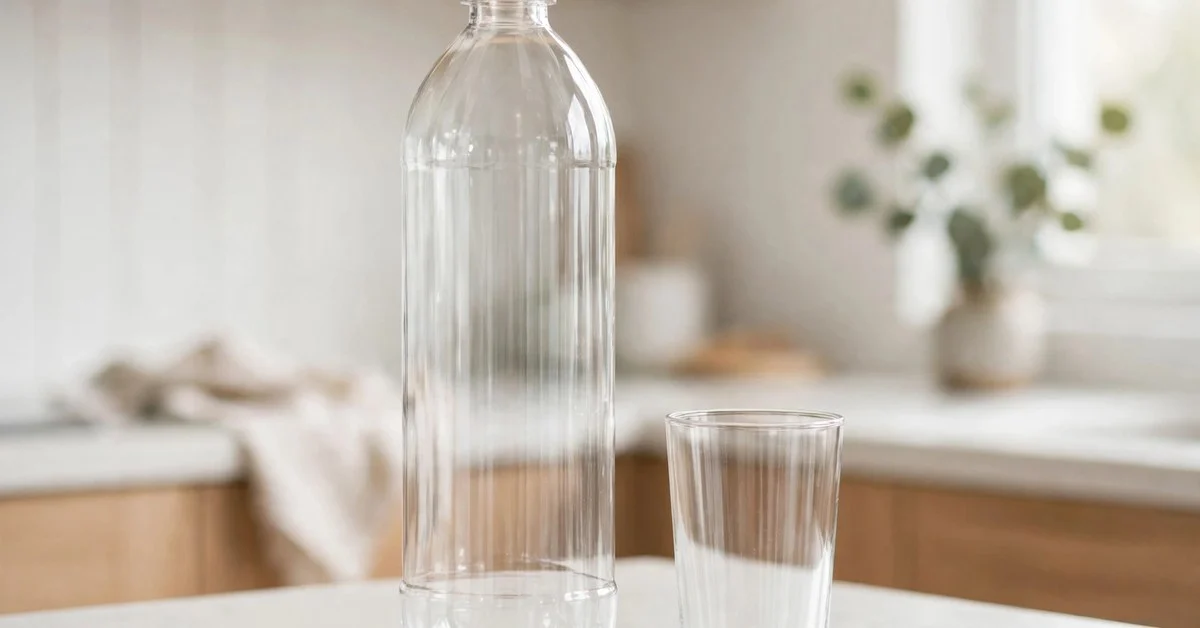
Recipes, water bottles, and car engines all talk about liters, but the number can feel vague if you grew up with cups and quarts. A liter is just over one US quart: 33.8 fluid ounces, or about 4.2 cups. Picture a standard soda bottle, the tall one from the vending machine, and you are picturing almost exactly one liter.
Knowing how much a liter is pays off constantly. Travelers read metric labels abroad, cooks convert European recipes, drivers check oil and coolant, and fitness folks track daily water intake in liters. Once you can see a liter clearly in your mind, the metric system stops feeling foreign and starts feeling practical.
Liter Conversion Chart
One liter converts to these standard kitchen and US units:
| Unit | 1 Liter Equals |
|---|---|
| Teaspoons | ≈ 203 |
| Tablespoons | ≈ 67.6 |
| Fluid ounces | ≈ 33.8 |
| Cups | ≈ 4.23 |
| Pints | ≈ 2.11 |
| Quarts | ≈ 1.06 |
| Gallons | ≈ 0.26 |
| Milliliters | 1,000 |
Common Objects That Hold About a Liter
| Item | Approximate Volume |
|---|---|
| 1. Standard 1-liter soda bottle | 1 liter (exactly) |
| 2. One-liter water bottle | 1 liter (exactly) |
| 3. One-liter milk carton | 1 liter (exactly) |
| 4. One-liter juice carton | 1 liter (exactly) |
| 5. Liter-size measuring jug | 1 liter (exactly) |
| 6. Full-size vacuum flask | About 1 liter |
| 7. Large shampoo bottle | About 1 liter (33.8 fl oz) |
| 8. Liter bottle of motor oil | 1 liter (exactly) |
More Everyday Items Around a Liter
| Item | Approximate Volume |
|---|---|
| 9. Classic 32-ounce water bottle | Just under 1 liter |
| 10. Standard wine bottle | About three quarters of a liter |
| 11. Two-liter soda bottle | Double a liter |
| 12. Two standard water bottles | About 1 liter |
| 13. Four 8-ounce coffee mugs | Just under 1 liter |
| 14. Large takeout soup container | Just under 1 liter (32 fl oz) |
| 15. One-quart saucepan | Just under 1 liter |
How Much Is a Liter, in Plain Terms?
A liter is a comfortable one-handed bottle: about 12 inches tall and 3 inches across in its classic soda-bottle form. It is bigger than a quart by a splash (about two extra tablespoons) and much smaller than a gallon, which holds nearly four liters. If you can lift it with one hand and finish it in a day of steady sipping, it is probably about a liter.
For a smaller reference, picture a standard wine bottle at 750 milliliters, exactly three quarters of a liter. For a bigger one, picture the 2-liter soda bottle: two liters, double the amount, the big bottle from the party table. A liter sits neatly between them, and most adults handle liter-size containers every single day.
Easy ways to estimate a liter in everyday life
- Picture the soda bottle: The tall 1-liter soda bottle is the most universal image. If a container matches it, it holds about a liter.
- Count the cans: A liter equals almost three 12-ounce soda cans (2.8, to be precise), or two 16-ounce energy drink cans with a splash left over.
- Use four mugs: Four standard 8-ounce coffee mugs hold 32 ounces, just a sip under one liter.
- Think quart-plus: A liter is a US quart plus about two tablespoons. If a recipe calls for a liter and you only have quart measures, fill the quart and add a glug.
- Double the water bottle: Two standard 16.9-ounce (500 ml) water bottles make almost exactly one liter.
- Remember the small cans: Four slim 8.4-ounce cans total 33.6 ounces, essentially one liter on the nose.
1. A Standard 1-Liter Soda Bottle
The tall, slender soda bottle sold singly in vending machines and convenience stores holds exactly one liter. At about 12 inches tall, it is the first thing many people picture when they hear the word “liter.” The bottle’s narrow shape makes a liter look smaller than it is, which is worth remembering: the same liter in a wide jug would look like much more. Because these bottles are sold worldwide, they are the most international reference on this list. Anywhere you travel, a 1-liter soda bottle is a 1-liter soda bottle.
2. A One-Liter Water Bottle
Reusable and disposable water bottles in the 1-liter size are the backbone of gyms, offices, and hiking trails. The classic tall bike-style bottle and many filtered bottles hold exactly one liter (33.8 ounces). Health advice often says to drink two to three liters of water a day, and people who follow it usually count in these bottles: two bottles by lunch, one more by dinner. If you own one, you already carry a liter measure with you everywhere. Fill it, and you know precisely how much you have drunk.
3. A One-Liter Milk Carton
In many countries, milk is sold in 1-liter cartons rather than gallon jugs or quart containers. The carton is a tall rectangular box, about 9 inches high, and it holds exactly 1,000 milliliters. Travelers from the US often do a double take at how small it looks next to the half-gallon cartons back home, but a liter is only a splash more than a quart. The carton is a tidy, honest reference because its shape is simple and its label states the volume plainly. One carton, one liter, no estimating required.
4. A One-Liter Juice Carton
Orange juice, apple juice, and milk alternatives are commonly sold in 1-liter cartons, especially outside the United States. Like the milk carton, it is a tall box of exactly 1,000 milliliters, enough for about four generous glasses. The carton’s slim profile makes it easy to grip with one hand, which is part of why the liter size is so popular for daily-use drinks. In the breakfast aisle, comparing the 1-liter carton to the half-gallon jug beside it gives you an instant feel for how the two systems line up.
5. A Liter-Size Measuring Jug
The most literal reference is the tool made for the job: a measuring jug marked in liters and milliliters. Kitchen models usually max out at 1 liter (about 4.2 cups), with clear markings every 100 milliliters. Unlike US measuring cups, which top out at smaller volumes, the liter jug lets you measure a full liter in one pour. If you cook from international recipes, this jug earns its drawer space fast. It also settles arguments: pour any “about a liter” container into the jug and read the true number.
6. A Full-Size Vacuum Flask
The classic insulated vacuum flask, the kind that keeps coffee hot on a winter hike, commonly holds about one liter. It is tall and slim, roughly 12 inches high, and weighs a little over two pounds when full. Outdoor brands standardized on the liter because it is a sensible day’s worth of hot drink for one person. The flask is a rugged, real-world liter: it gets tossed in backpacks, left in car cup holders, and refilled at trailheads. If yours is the 1-liter model, you have been carrying a liter measure on every adventure.
7. A Large Shampoo Bottle
Salon-size and warehouse-store shampoo bottles often hold 33.8 fluid ounces, which is exactly one liter. The bottle is short and wide rather than tall, giving you a completely different silhouette for the same volume. It sits in the shower for months, which means your eyes learn the liter’s size without any effort. Conditioner, body wash, and liquid soap come in the same 1-liter bottles. The bathroom shelf, it turns out, is full of liter references hiding in plain sight.
8. A Liter Bottle of Motor Oil
Outside the United States, motor oil is sold in 1-liter bottles; inside the US, the quart bottle (946 milliliters) is standard, just a shade smaller. The bottle is squat with a long neck for pouring into engines, and it holds exactly 1,000 milliliters. Drivers who check their own oil learn the liter quickly, because engines drink it in liter-sized gulps: many cars take four to six liters per oil change. The bottle is also a reminder that a liter is a working volume, not just a kitchen one.
9. A Classic 32-Ounce Water Bottle
The iconic hard-plastic 32-ounce bottle found on every college campus holds just under one liter: 32 ounces equals about 0.95 liters. The difference is about three and a half tablespoons, invisible in daily use. These bottles are so common that “fill your 32-ouncer” is practically synonymous with “drink a liter of water.” The shortfall is a useful teaching point, though. A liter is not 32 ounces; it is 33.8. That gap of not quite two ounces is the difference between the US and metric systems in miniature.
10. A Standard Wine Bottle
Every standard wine bottle holds 750 milliliters, which is exactly three quarters of a liter. Four glasses of wine (about 6 ounces each) come out of one bottle, and it takes one and a third bottles to make a full liter. The wine bottle is the perfect “smaller reference” because its size is fixed worldwide by tradition. At a dinner table, you can point to the bottle and say “add a third of that again” to describe a liter. It also explains European recipes: when one calls for a liter of stock, that is a wine bottle plus a generous glass.
11. A Two-Liter Soda Bottle
The big party-size soda bottle is the natural “larger reference”: two liters, exactly double one liter. It is shorter and much wider than the 1-liter bottle, which makes the doubling visible. Anyone who has poured soda for a crowd has handled this bottle, and its size is instantly recognizable. The 2-liter also teaches an easy fraction: half the bottle is one liter. Next time you are at a gathering, glance at the soda table. Every big bottle there is two liters wearing a label.
12. Two Standard Water Bottles
The standard disposable water bottle holds 16.9 fluid ounces, which is 500 milliliters, exactly half a liter. Two of them make one liter on the nose. This is probably the most useful everyday conversion in the article, because these bottles are everywhere: meetings, gyms, airports, lunchboxes. Need a liter of water for a recipe or a plant? Grab two standard bottles. The pair also makes the liter tangible for kids: two little bottles equal one big bottle.
13. Four 8-Ounce Coffee Mugs
Four standard 8-ounce coffee mugs hold 32 fluid ounces, just under one liter. Most mugs in home kitchens are in the 8- to 12-ounce range, so four average mugs get you to roughly a liter without any measuring tools. This reference works beautifully in the morning: the coffee you drink between waking and leaving for work is often close to a liter. It also helps with recipes. If a soup recipe calls for a liter of broth, four mugs of it will get you there with only a tablespoon or two missing.
14. A Large Takeout Soup Container
The big round container from the deli or the Chinese restaurant, the one that holds a quart of soup, contains 32 fluid ounces: just under one liter. It is wide and short, about 4.5 inches across and 5 inches tall, a completely different shape from the tall soda bottle. Restaurant kitchens think in these containers, and home cooks reuse them for storage. The container proves again that a liter does not have a shape. Tall bottle, wide tub, slim carton: all the same 1,000 milliliters.
15. A One-Quart Saucepan
A standard 1-quart saucepan, the small pot used for sauces and reheating soup, holds 946 milliliters when filled to the brim: just under one liter. Fill it to the very top and add about two tablespoons, and you have a liter exactly. Cooks who work from metric recipes use this trick constantly. The saucepan is also the smallest container on this list that gets close, which makes it a good lower bound: anything smaller than the little saucepan cannot hold a liter. When in doubt, reach for the quart pot.
Frequently Asked Questions
Is a liter bigger than a quart?
Yes, slightly. A liter is about 1.06 US quarts, so it holds roughly two tablespoons more than a quart. For most cooking, the difference is too small to matter.
How many liters are in a gallon?
About 3.79. One US gallon equals 3.785 liters, so a gallon is just under four liters. A 4-liter container holds a touch more than a gallon.
How many 16.9-ounce water bottles make a liter?
Two. Each standard 16.9-ounce (500 ml) bottle is exactly half a liter, so a pair makes one liter precisely.
What household item is closest to one liter?
A 1-liter soda bottle or water bottle is the exact match. Close runners-up include a 32-ounce water bottle, four 8-ounce coffee mugs, and a quart saucepan filled to the brim.
See also: how many ounces in a cup.
See also: how many cups in a gallon.
Final Thoughts
So, how much is a liter? Just over a quart: 33.8 fluid ounces, about 4.2 cups, or 1,000 milliliters. From the soda bottle in the vending machine to the shampoo bottle in your shower, liter-size containers surround you every day. If you are converting a recipe, reading a label abroad, or tracking your water intake, you now have fifteen ways to see a liter without measuring a thing. The metric system feels a lot friendlier once you can picture its favorite volume.

I’m Dane Whitfield, a content writer at MeasureZit.com, where I specialize in creating clear, accurate articles on measurements, unit conversions, and mathematical concepts. I enjoy breaking down complex numerical topics into simple, practical explanations that readers can actually use. My goal is always precision and clarity helping people make sense of the numbers around them.










