Title: How Big Is 6mm? 15 Everyday Size Comparisons Explained
Meta Description: How big is 6mm? About 0.24 inches — roughly a pencil-eraser wide. See 15 everyday things that are about 6mm long, with simple, quick comparisons.
Introduction
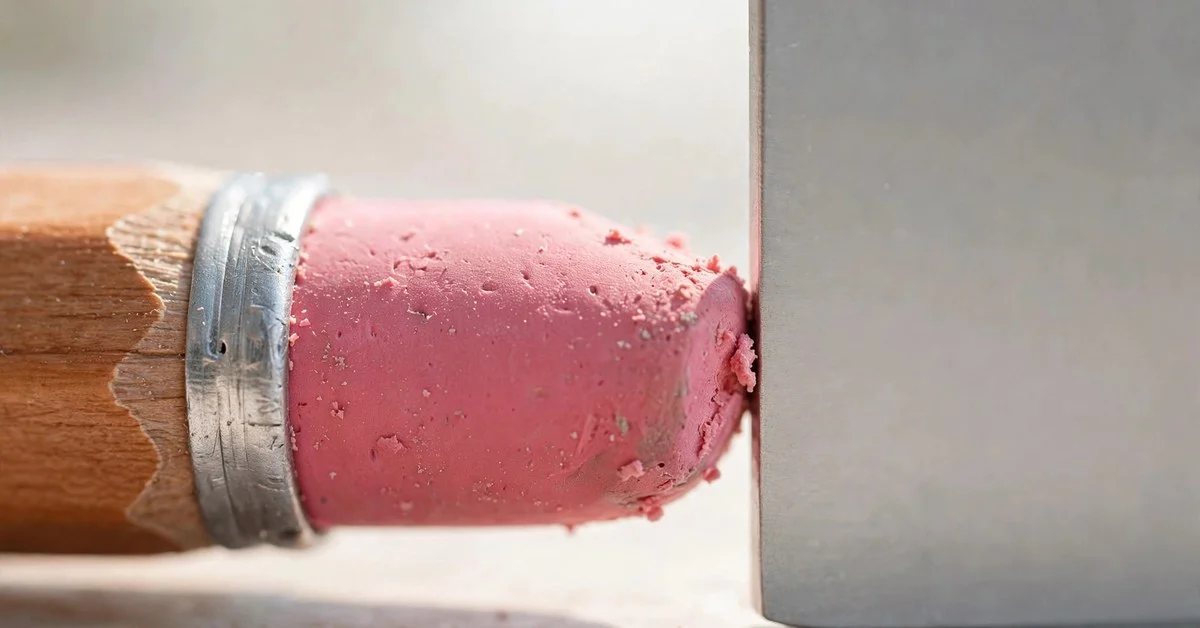
Look at the pink eraser on top of a pencil. That little cylinder holds the answer to “how big is 6mm” — 6mm is about 0.24 inches, or 0.6 centimeters, roughly the width of a standard pencil eraser. It is small enough to lose in a carpet, yet big enough to see clearly without squinting.
Tiny measurements like this surface in surprising places: drill bit sizes, jewelry dimensions, seed packets, and craft supplies. A 6mm bead, a 6mm screw, a 6mm kidney stone — each means something very different, but all share the same physical size. Learning to picture 6mm helps you shop smarter and read specs with confidence.
Below is a conversion chart, 15 everyday things that are about 6 mm long, and easy tricks for estimating this tiny length with no tools at all. By the end, you will be able to spot 6mm on a shelf, in a garden, or on a spec sheet without reaching for a ruler.
Conversion Chart
| Unit | Converted Value |
|---|---|
| Millimeters | 6 mm |
| Centimeters | 0.6 cm |
| Meters | 0.006 m |
| Inches | ≈ 0.24 in |
| Feet | ≈ 0.02 ft |
| Yards | ≈ 0.01 yd |
Common Objects That Are About 6 mm Long
| Object | Approximate Length |
|---|---|
| 1. A pencil-top eraser | About 6 mm wide |
| 2. A grain of uncooked rice | About 6–7 mm long |
| 3. A ladybug | About 6–7 mm long |
| 4. A large ant | About 5–6 mm long |
| 5. A flaxseed | About 5–6 mm long |
| 6. A red lentil | About 5–6 mm across |
| 7. A peppercorn | About 5–6 mm across |
| 8. Eight credit cards stacked | About 6.1 mm thick |
More Everyday Items Around 6 mm
| Object | Approximate Length |
|---|---|
| 9. A pomegranate seed | About 7–8 mm long |
| 10. A low-dose aspirin tablet | About 7 mm across |
| 11. A wooden ruler’s thickness | About 5 mm |
| 12. A grain of barley | About 8 mm long |
| 13. A coffee bean | About 9 mm long |
| 14. A standard pencil’s width | About 7 mm |
| 15. A green pea | About 7–9 mm across |
How Big Is 6mm?
Six millimeters is just under a quarter of an inch — a quarter inch is 6.35mm, so 6mm falls a hair short of that familiar fraction. On an imperial ruler, find the 1/4-inch mark and picture something a touch narrower, like a pencil line’s width less. You can read more about the inch in our guide to how long an inch is.
For neighbors, 6mm is a bit bigger than a sesame seed (about 3–4mm) and a bit smaller than a green pea (about 8mm). Double it and you get 12mm, roughly half an inch; halve it and you are at 3mm, about the thickness of two credit cards. Ten 6mm segments make 6cm — about the width of two fingers — which shows how quickly small units add up. These simple doublings make 6mm a useful anchor for the whole sub-centimeter world.
Easy ways to estimate 6 mm in everyday life
- Use a pencil eraser: The eraser on a standard pencil is about 6mm wide — the single best reference. Press it against the object and compare widths directly.
- Look at rice: One grain of uncooked long-grain rice is about 6–7mm long. Your pantry is a measuring lab — lay the grain alongside the object.
- Stack credit cards: Eight cards stacked reach about 6.1mm. Pinch the stack to feel the thickness, then hold the object against it.
- Check the spice rack: A peppercorn or red lentil is about 5–6mm — close enough for quick estimates. Keep one on the counter while you work and compare directly.
- Find a ladybug: The familiar garden beetle is 6–7mm long. Picture one on a leaf, then compare the object to that mental image.
- Use your ruler: Six tiny millimeter marks past any centimeter line is exactly 6mm — count them once to train your eye. After a few tries, you will recognize the span without counting.
1. A Pencil-Top Eraser
The pink eraser crimped into the end of a standard pencil measures about 6mm across — the defining reference for this article. Everyone has held one, chewed on one, or worn one down to the metal ferrule. Its small cylinder is easy to summon from memory at any moment, even with your eyes closed. Press your fingertip against it and feel the width: that is 6mm, attached to a tool found in every classroom on earth.
2. A Grain of Uncooked Rice
A single grain of long-grain rice runs about 6–7mm long, making your pantry a permanent 6mm exhibit. Rice is cooked on every continent, so this reference travels across cultures without translation. Its slender, tapered shape is distinctive — once you notice the size of one grain, you cannot unsee it. Pour a few into your palm and pick one up; you are holding 6mm between your fingers.
3. A Ladybug
The beloved red-and-black ladybug measures about 6–7mm long, a size every gardener knows by heart. Its dome shape and spotted shell make it one of nature’s most recognizable beetles, a favorite of children worldwide. Kids learn its size by letting one crawl across a fingertip, a memory that lasts decades. Picture that tiny dome, then imagine it without the spots: the length underneath is your 6mm.
4. A Large Ant
A big worker ant stretches about 5–6mm long — right at our target. Ants are universal; every sidewalk, kitchen, and picnic has hosted them. Their segmented bodies are easy to study up close, and their size relative to a crumb is familiar from childhood observations. Watch one haul a crumb across the pavement and you are watching 6mm in motion, working hard to feed the colony.
5. A Flaxseed
Flaxseeds are small, flat, teardrop-shaped seeds about 5–6mm long. Health-conscious kitchens stock them for smoothies and baking, and their glossy brown shells catch the light beautifully. Each seed is a tidy 6mm package, uniform enough to trust for estimating. If you keep them in the pantry, pour a few out and look closely — the whole superfood trend fits inside this measurement.
6. A Red Lentil
Dried red lentils are tiny discs about 5–6mm across, familiar to cooks of dals, soups, and stews worldwide. Their split, lens-like shape gives them their name — “lentil” comes from the Latin word for lens. A handful contains hundreds of 6mm units, which makes them oddly satisfying to contemplate. Scoop some from the bag and you are holding a crowd of perfect 6mm references.
7. A Peppercorn
A whole black peppercorn is a wrinkled sphere about 5–6mm across. It sits in grinders and spice jars in nearly every kitchen, released a few twists at a time over dinner. Its rough texture makes it easy to grip and study between thumb and finger. Crack one between your fingers and note its size before it becomes powder: that little ball was 6mm of pure spice.
8. Eight Credit Cards Stacked
A credit card is 0.76mm thick, so eight stacked reach about 6.1mm — essentially exact. This turns a precise manufacturing spec into a touchable gauge you can build in seconds from your wallet. Gather eight cards, press them into a neat pile, and pinch. The thickness between your fingers is 6mm you can feel, and adding or removing a card adjusts the measurement by less than a millimeter.
9. A Pomegranate Seed
The jewel-like arils inside a pomegranate are about 7–8mm long — slightly bigger than 6mm, which makes them a good upper-bound reference. Their ruby color and juicy pop make them memorable, and breaking open the fruit is a hands-on lesson in small sizes. Picture one glistening seed, then imagine it a touch smaller. That slightly reduced image is 6mm, bracketed from above with confidence.
10. A Low-Dose Aspirin Tablet
A low-dose (81mg) aspirin tablet is about 7mm across — just over our target. Medicine cabinets everywhere hold these small discs, and their size is designed to be easy to swallow with water. Because tablets are manufactured to exact dimensions, they are dependable references you can trust completely. Picture the pill, trim a millimeter off in your mind, and you have 6mm.
11. A Wooden Ruler’s Thickness
Flip a wooden school ruler on its edge: it is about 5mm thick, just under 6mm. This gives you a “slightly smaller” anchor hiding inside a familiar tool — the same ruler that measures 30cm long is 5mm thick. Run your finger along the ruler’s edge and feel how thin it is, then imagine it a fraction thicker. That imagined edge is 6mm — a measurement derived from an object that also measures it.
12. A Grain of Barley
A grain of barley is plumper than rice, running about 8mm long. It works as another upper-bound reference, common in cereals, hearty soups, and brewing. Its oval shape and pale color are easy to picture, especially next to a rice grain for contrast. Think of the grain, then shrink it by a quarter in your mind. The result is close to 6mm.
13. A Coffee Bean
A roasted coffee bean is about 9mm long — half again as big as 6mm, which makes it a useful “larger neighbor.” Billions of cups start with these beans, so the reference is global, from espresso bars to home kitchens to office break rooms. Its distinctive center crease makes it unmistakable even at a glance. Picture the bean, then imagine it at two-thirds size. That smaller bean is your 6mm.
14. A Standard Pencil’s Width
A hexagonal wooden pencil is about 7mm across its flats — just over 6mm. Roll one between your fingers and you are feeling a size very close to our target, a sensation built up over years of school and office work. Pencils are everywhere, which makes this one of the most accessible near-matches available. If an object looks a hair slimmer than a pencil’s width, 6mm is an excellent estimate.
15. A Green Pea
A green pea spans about 7–9mm, making it a slightly larger anchor to bracket 6mm from above. Peas are the classic small-size reference, familiar from every dinner table and frozen vegetable bag. Picture the pea, then imagine something about three-quarters its width. That smaller sphere is 6mm — small, round, and easy to see in your mind’s eye.
Frequently Asked Questions
How big is 6mm in inches?
Six millimeters is about 0.24 inches — just under a quarter of an inch (which is 6.35mm). On an imperial ruler, it sits a hair below the 1/4-inch mark, roughly halfway between the 3/16 and 1/4 marks if your ruler shows sixteenths. Woodworkers and crafters who think in fractions can treat 6mm as “just under a quarter inch” without worry.
Is 6mm bigger than a quarter inch?
No, slightly smaller. A quarter inch equals 6.35mm, so 6mm falls short by about a third of a millimeter — roughly half the thickness of a credit card. For most everyday purposes they are interchangeable, but jewelers and machinists would notice the difference.
What is 6mm on a ruler?
On a metric ruler, 6mm is six small marks past any centimeter line. Find a numbered centimeter, count six tiny divisions forward, and you are there — no estimating needed at all. Do it once with a real ruler and your eye will learn the spacing; after that, you can judge 6mm on any ruler at a glance.
What household item is 6mm?
A pencil-top eraser is the closest common item at about 6mm wide. A grain of uncooked rice (6–7mm) and eight stacked credit cards (6.1mm) are also excellent matches, and a ladybug at 6–7mm gives you a handy living reference from the garden.
Final Thoughts
How big is 6mm? It is a pencil eraser, a grain of rice, a ladybug — small enough to overlook, precise enough to matter. At this scale, a millimeter is the difference between a screw that fits and one that strips, a bead that threads and one that does not, a seed planted at the right depth and one that never sprouts.
The good news is that 6mm references are everywhere once you start looking: the spice rack, the pantry, the desk drawer, the garden. Pick the one you encounter most — the eraser for students, the rice grain for cooks, the credit-card stack for shoppers — and keep it as your personal gauge. Test yourself the next time you spot a ladybug or pour lentils: estimate first, then check with a ruler. The next time a spec sheet says 6mm, you will not need to measure. You will already know.

I’m Dane Whitfield, a content writer at MeasureZit.com, where I specialize in creating clear, accurate articles on measurements, unit conversions, and mathematical concepts. I enjoy breaking down complex numerical topics into simple, practical explanations that readers can actually use. My goal is always precision and clarity helping people make sense of the numbers around them.










