Title: What Weighs 6kg? 15 Things That Weigh About 6 Kilograms
Meta Description: What weighs 6kg? About 13.2 pounds — like a bowling ball or a packed carry-on. See 15 everyday items that weigh about 6kg, with easy comparisons.
Introduction
Lift a bowling ball with one hand and you have your answer to “what weighs 6kg” — 6kg is about 13.23 pounds, or 6,000 grams, roughly the weight of a standard 14-pound bowling ball. It is a weight you can lift comfortably with one hand but would not want to carry for miles: heavier than a laptop, lighter than a toddler.
Weights like this appear on luggage scales at the airport, dumbbell racks at the gym, produce labels at the market, and shipping calculators online. Pet adoption listings describe cats and small dogs in this range, and garden centers sell soil and compost by similar weights. A 6kg parcel, a 6kg pet, a 6kg bag of soil — each is easier to judge when you have handled something similar before. Knowing what 6kg feels like turns an abstract number into muscle memory.
Below is a full conversion chart, 15 everyday items that weigh about 6kg, and practical tricks for estimating this weight without a scale.
Conversion Chart
| Unit | Converted Value |
|---|---|
| Kilograms | 6 kg |
| Grams | 6,000 g |
| Ounces | ≈ 211.64 oz |
| Pounds | ≈ 13.23 lb |
Common Objects That Weigh About 6 kg
| Object | Approximate Weight |
|---|---|
| 1. A 14-pound bowling ball | 6.35 kg |
| 2. A large watermelon | About 5–7 kg |
| 3. Six 1-liter bottles of water | 6 kg exactly |
| 4. A 6 kg dumbbell | 6 kg exactly |
| 5. A medium dog (like a dachshund) | About 5–7 kg |
| 6. One and a half gallons of water | About 5.7 kg |
| 7. A medium holiday turkey | About 5–7 kg |
| 8. A packed carry-on bag | About 6 kg |
More Everyday Items Around 6 kg
| Object | Approximate Weight |
|---|---|
| 9. A large pumpkin | About 5–7 kg |
| 10. Three 2-kg bags of sugar | 6 kg exactly |
| 11. A gallon of paint | About 5.5 kg |
| 12. A small toaster oven | About 6–7 kg |
| 13. A 5-liter jerrycan of water | About 5.3 kg |
| 14. A large bag of charcoal | About 5–6 kg |
| 15. A half-full 10-liter bucket of water | About 5 kg |
How Heavy Is 6kg?
Six kilograms sits in the “one-hand carry” zone. It is noticeably heavier than a gallon of milk (3.9kg) — picture that jug, then add half again. It is lighter than a typical car tire or a full toolbox. Most adults can lift 6kg overhead without strain, but carrying it in one hand for twenty minutes would tire the arm.
For neighbors, a 5kg bag of rice is the classic slightly-lighter anchor: add a 1kg bag of sugar and you hit 6kg exactly. On the heavier side, two gallons of water weigh about 7.6kg, so 6kg is roughly three-quarters of that load. Think of it as the weight of a well-stocked reusable grocery bag — substantial, but not the bag that makes you switch hands halfway home. Once you can feel 6kg, both neighbors make sense by comparison.
Easy ways to estimate 6 kg in everyday life
- Lift water bottles: Six 1-liter bottles of water weigh exactly 6kg. Lift the pack and memorize the heft.
- Grab a dumbbell: Gym dumbbells come in 6kg sizes. One rep gives your arm the reference permanently.
- Think bowling: A 14-pound house ball at the alley is 6.35kg — bowl a frame and you will know this weight.
- Use sugar bags: Three 2kg bags of sugar from the baking aisle total exactly 6kg.
- Picture your pet: A dachshund or similar small-medium dog weighs roughly 6kg. If you have lifted one, you know.
- Check your luggage: A lightly packed carry-on often lands near 6kg — lift it before you leave for the airport.
1. A 14-Pound Bowling Ball
The classic house ball at a bowling alley weighs 14 pounds, which converts to 6.35kg — the single best real-world match for 6kg. Its smooth, heavy sphere is designed to be gripped and swung, so your hand learns the weight through motion rather than just holding it still. Bowl a few frames and your arm stores the feeling for weeks. Later, when you lift a parcel or a pet, your muscles will compare it to that ball automatically.
2. A Large Watermelon
A big watermelon tips the scales at 5 to 7kg, with the largest grocery-store specimens landing right around 6kg. Shoppers know the ritual: thump it, then cradle it with both hands to judge ripeness, feeling the full weight settle into the arms. That two-handed lift is a perfect 6kg lesson. The melon’s round shape and cool rind make the memory vivid, and summer produce aisles offer free practice every year.
3. Six 1-Liter Bottles of Water
This one is exact, not approximate: a liter of water weighs one kilogram, so six 1-liter bottles weigh precisely 6kg. It is the most scientific reference on this list and the easiest to reproduce at home. Grab a six-pack of liter bottles — or fill six bottles from the tap — and lift with one hand. What you feel is 6kg by definition, no hedging needed, and the experiment costs almost nothing.
4. A 6 kg Dumbbell
Gyms stock dumbbells in 6kg sizes, giving you a reference that is literally labeled with the number. Unlike produce or luggage, a dumbbell never varies: 6kg is stamped on the metal, and every rep confirms it. Do a few curls and the weight becomes body knowledge within a single session. Fitness is also where most people first meet kilogram measurements, so the dumbbell connects the number to the feeling directly.
5. A Medium Dog (Like a Dachshund)
A dachshund typically weighs 6 to 9kg, with many adults sitting near 6–7kg. Dog owners know this weight intimately — it is the weight of lifting your pet into the car, onto the vet’s table, or up the stairs when little legs get tired. The warm, wriggling package makes the memory stick far better than any number. If you have ever scooped up a small-medium dog, you have performed a 6kg deadlift without thinking about it.
6. One and a Half Gallons of Water
A US gallon of water weighs 3.78kg, so one and a half gallons come to about 5.7kg — close enough for estimating. The familiar slosh of a water jug gives you an audible and physical sense of the load, and the handle digging into your fingers adds to the lesson. Picture the big office water-cooler bottle (usually 5 gallons, about 19kg) and take less than a third of it. That portion is your 6kg.
7. A Medium Holiday Turkey
The centerpiece turkey at many holiday tables weighs 5 to 7kg (roughly 11 to 15 pounds). Cooks know the strain of lifting the roasting pan in and out of the oven — that careful two-handed heave, hot and heavy, is a 6kg experience you never forget. The bird’s size is also visual: it fills a roasting pan the way 6kg fills your arms. Holiday cooking, it turns out, is weight training in disguise.
8. A Packed Carry-On Bag
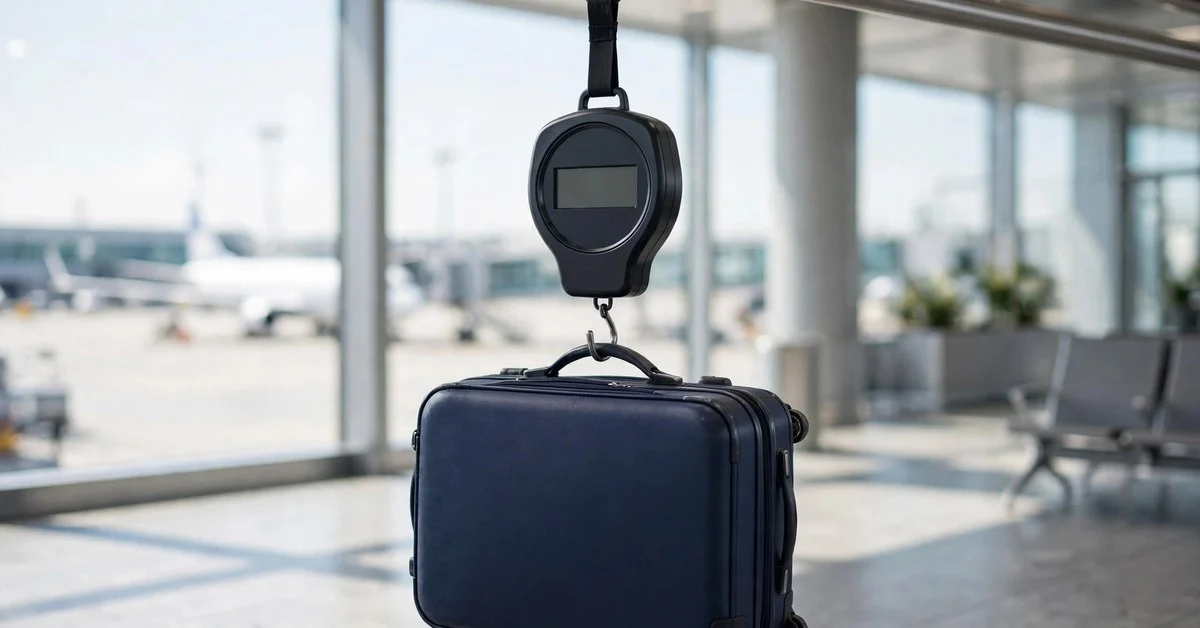
A lightly packed carry-on suitcase often weighs around 6kg — comfortably under most airlines’ 7kg cabin limits. Travelers feel this weight hoisting the bag into overhead bins, a motion repeated in airports worldwide and remembered in the shoulders. If your bag feels easy to lift overhead but has real substance, it is probably near 6kg. Next trip, pause at the scale and note the number; your shoulders will remember it long after landing.
9. A Large Pumpkin
Autumn’s giant pumpkins weigh 5 to 7kg at the large end of the carving range — the ones you need two hands to carry from the patch to the car. Their ribbed, orange spheres are unforgettable, and the annual ritual of choosing one burns the weight into memory. Hug a big pumpkin and you are hugging about 6kg. The really enormous prize-winning pumpkins weigh far more, so stick to the carving-size ones for this reference.
10. Three 2-kg Bags of Sugar
Another exact match: sugar is sold in 2kg bags in many countries, and three of them total precisely 6kg. The baking aisle becomes a calibration lab — no scale required. Stack three bags and lift the pile — the dense, shifting weight of granulated sugar is unmistakable. Like the water bottles, this reference needs no “about,” which makes it perfect for settling arguments about what 6kg feels like.
11. A Gallon of Paint
A US gallon of latex paint weighs about 5.5kg, just under our target. DIYers know the can’s reassuring heft — heavy enough to need two hands on a ladder, light enough to carry by the handle across the room. The slosh of liquid paint inside adds a sensory cue you will not forget. Picture the can, add a small margin, and you have 6kg in home-improvement terms.
12. A Small Toaster Oven
A compact toaster oven weighs roughly 6 to 7kg, putting it right in range. Kitchen appliances are handled rarely but memorably — unboxing one, or sliding it forward to clean the crumbs behind it, gives you a clear impression of the load. Its boxy shape distributes the weight across both hands, which is why it feels lighter than a dumbbell of the same mass. If you have ever shifted a toaster oven on the counter, you have calibrated your 6kg sense.
13. A 5-Liter Jerrycan of Water
A 5-liter jerrycan filled with water weighs about 5.3kg including the container — a touch under 6kg. Campers and gardeners know this can well: it is the standard portable water supply for campsites and allotments. The built-in handle makes it a one-hand carry, which teaches you exactly how 6kg feels in a single grip. Fill it to the brim and you are within a kilogram of the mark.
14. A Large Bag of Charcoal
A big bag of barbecue charcoal weighs about 5 to 6kg, the size you haul home for a summer of grilling. The bag’s lumpy, shifting contents make the weight feel alive in your arms, and the black dust on your hands afterward is part of the memory. Carrying it from the car to the backyard is a short but memorable workout. When grilling season arrives, you get a free refresher on what 6kg feels like.
15. A Half-Full 10-Liter Bucket of Water
A standard 10-liter bucket filled halfway holds about 5 liters of water, weighing roughly 5kg plus the bucket — close to our target. Anyone who has mopped floors or washed a car knows this carry: the handle digging into your palm, the water sloshing with each step, the need to switch hands halfway across the yard. It is a working person’s 6kg, learned through chores rather than sports.
Frequently Asked Questions
How much is 6kg in pounds?
Six kilograms is about 13.23 pounds. For quick mental math, double the kilograms and add ten percent: 6 × 2 = 12, plus 1.2, gives 13.2 — close enough for everyday use, from luggage checks to recipe conversions.
How much is 6kg in grams?
Exactly 6,000 grams. The metric system makes this conversion effortless: just multiply kilograms by 1,000. Food labels, postage scales, and nutrition panels often show grams, so this is the number you will see most in daily life.
Is 6kg heavy to carry?
For most adults, 6kg is a comfortable one-hand carry for short distances — like a packed grocery bag or a small dog. Carried for a long walk, though, it will tire your arm and shoulder, which is why backpacks beat tote bags at this weight. Children and older adults may find it a genuine two-hand job, so consider who is doing the lifting before judging “heavy.”
What weighs exactly 6kg?
Six 1-liter bottles of water weigh exactly 6kg, as do three 2kg bags of sugar. A 6kg dumbbell is also exact by manufacture. These are the best references when you need precision rather than approximation, and all three are easy to find.
See also: what weighs 5 kg.
Final Thoughts
What weighs 6kg? A bowling ball, a watermelon, six liters of water — a weight your body already understands even if the number feels abstract. It lives in the sweet spot between “light enough to lift casually” and “heavy enough to notice,” which is why it shows up in luggage limits, gym equipment, and grocery bags.
The fastest way to learn it is to lift something exact: six liter bottles of water, or a labeled 6kg dumbbell at the gym. Once your muscles have the reference, every parcel, pet, and pan gets easier to judge — you will catch yourself thinking “that’s about a bowling ball” without even trying. Weight stops being a number on a scale and becomes something you feel — and 6kg is one of the most useful weights to feel. See also: what weighs 7 kg.

I’m Priya Sharma, a content writer at MeasureZit.com, specializing in measurements, unit conversions, and mathematical concepts. I turn technical topics into clear, accurate content that’s easy to understand. My focus is precision, clarity, and genuinely useful information.