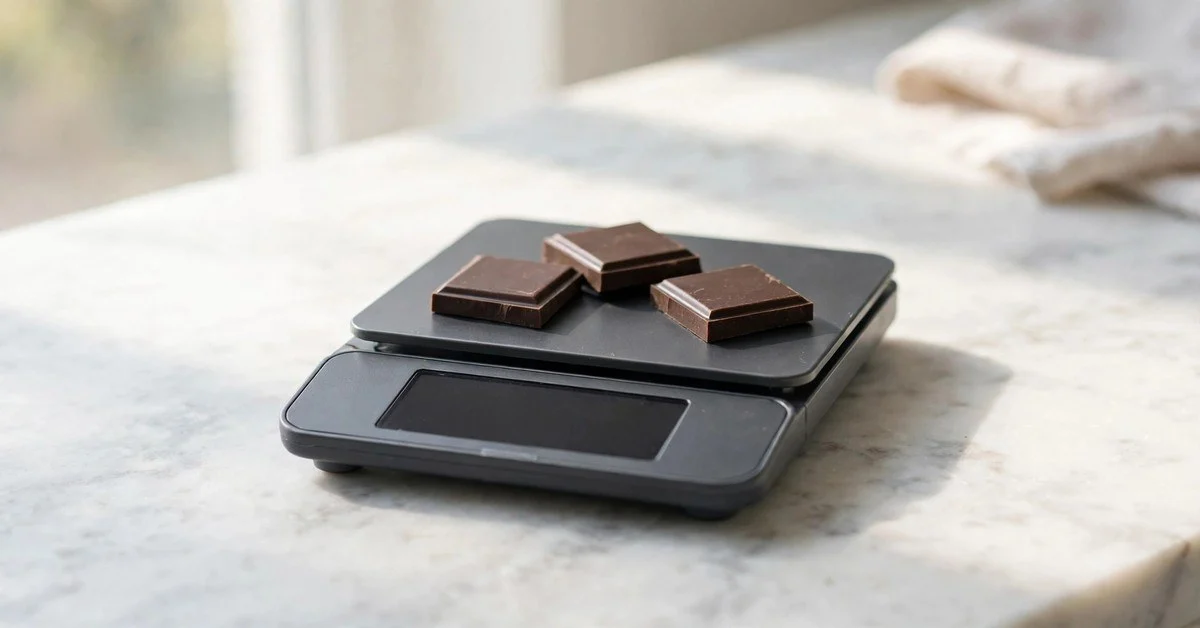
How much is 5 oz? It is one of the most common portion sizes in cooking, and 5 ounces equals about 142 grams, or just under a third of a pound. If you are wondering what does 5 oz look like without a scale, picture a small can of tuna or a single burger patty. Recipes call for it constantly, 5 ounces of chicken, cheese, or pasta, and diet plans treat it as a standard serving. Once you can feel this weight in your hand, meal prep gets easier and grocery shopping stops feeling like guesswork. Below are 15 everyday items that weigh about 5 ounces, plus a conversion chart and simple tricks for estimating it.
Conversion Chart
| Unit | Converted Value |
|---|---|
| Ounces | 5 oz |
| Pounds | ≈ 0.31 lb |
| Grams | ≈ 141.75 g |
| Kilograms | ≈ 0.14 kg |
15 Everyday Items That Weigh About 5 Ounces
Common Objects That Weigh About 5 oz
| Item | Approximate Weight |
|---|---|
| 1. A Standard Can of Tuna | 5 oz (on the label) |
| 2. Twenty-Five US Quarters | 5 oz (exactly) |
| 3. A 5-Ounce Burger Patty | 5 oz |
| 4. A Medium Avocado | About 5 oz |
| 5. A Cup of Whole Strawberries | About 5 oz |
| 6. Five Slices of Sandwich Bread | About 5 oz |
| 7. A Large Banana | About 5 oz |
| 8. A Cricket Ball | About 5.5 oz |
More Everyday Items Around 5 oz
| Item | Approximate Weight |
|---|---|
| 9. A Cup of Blueberries | About 5 oz |
| 10. A Bone-In Chicken Thigh | About 5–6 oz |
| 11. An Ear of Corn | About 5 oz |
| 12. A Large Bell Pepper | About 5 oz |
| 13. A Large Peach | About 5 oz |
| 14. Three Golf Balls | About 5 oz |
| 15. Six AA Batteries | About 5 oz |
How Heavy Is 5 oz?
Five ounces sits in a sweet spot your hand already knows. It is heavier than a deck of cards but lighter than a full can of soda. In the kitchen, 5 oz is a workhorse portion: restaurants build burgers around 5-ounce patties, cans of tuna are sold in exactly 5-ounce sizes, and a generous handful of fruit lands right around this weight. Once your hand learns it, portioning gets easier without reaching for the scale.
To feel it, bracket it. A stick of butter weighs 4 ounces, just a touch lighter than 5 oz. A standard 6-ounce yogurt cup sits just above it. Hold the butter in one hand and imagine it about a quarter heavier, and you have 5 ounces. Or think metric: what is 5 oz in grams? About 142 grams, a number worth memorizing since nutrition labels and recipes switch between the two all the time.
Easy ways to estimate 5 oz in everyday life
- Grab a tuna can: A standard small can of tuna is labeled 5 oz. Keep one in the pantry as your reference weight.
- Count out quarters: Twenty-five US quarters weigh exactly 5 ounces. It is a perfect calibration check.
- Use the palm test: A 5-ounce burger patty or chicken portion is roughly the size and thickness of your palm.
- Picture a handful of berries: A cup of strawberries or blueberries weighs about 5 ounces, a generous handful.
- Think in grams: 142 grams is 5 ounces. Most kitchen scales toggle between units, so learn both numbers.
- Compare to butter: A stick of butter is 4 oz. Add about a quarter more weight in your mind and you land on 5 oz.
1. A Standard Can of Tuna
Start with the most honest reference on the list. A standard small can of tuna is labeled 5 oz right on the front, so there is no guessing involved. It is the same can you have probably opened a hundred times for sandwiches and salads. Because the weight is printed by the manufacturer, it works as a fixed anchor: any time a recipe calls for 5 ounces of anything, picture that little can in your palm. Keep one in the pantry and you always have a 5-ounce reference weight within reach.
2. Twenty-Five US Quarters
Here is a fun bit of math. Each US quarter weighs 5.67 grams, so twenty-five of them add up to 141.75 grams, exactly 5 ounces. No scale needed and no rounding games. A roll of quarters from the bank holds forty coins, so picture a roll a little over half gone. Coins make a great reference because their weight never changes, unlike fruit or meat. Next time you need to feel 5 ounces, count out twenty-five quarters and hold the stack.
3. A 5-Ounce Burger Patty
Restaurant menus love this number. Many burger joints list a 5-ounce patty as their standard single, sitting between a fast-food quarter-pounder and a half-pound pub burger. Butchers sell them too, often labeled right on the package. The patty is roughly the diameter of a hamburger bun and about three-quarters of an inch thick. If you have eaten a sit-down restaurant burger, you have held 5 ounces of beef in your hands. It is one of the easiest food portions to picture from real life.
4. A Medium Avocado
Cut one open and you are looking at about 5 ounces of creamy green flesh plus the pit and skin. A medium avocado typically weighs around 150 grams whole, which lands just over 5 ounces. Avocados are handy as a reference because they fit neatly in one hand. That familiar heft when you pick one at the store is the weight we are talking about. Grocery shoppers handle them constantly, so the feel is already stored in your muscle memory. Grab one and you are holding roughly 5 ounces.
5. A Cup of Whole Strawberries
Berries are nature’s measuring cups. One cup of whole strawberries weighs about 144 grams, which is just a whisper over 5 ounces. Picture the standard plastic clamshell from the grocery store, fill a measuring cup to the top and you have it. This is a useful reference for fruit portions in recipes and diet plans, where berries show up constantly. Because a cup is also a volume you can see, it connects the weight to a visual size. A cupped handful of strawberries is 5 ounces you can picture instantly.
6. Five Slices of Sandwich Bread
A single slice of standard sandwich bread weighs about an ounce (roughly 28 grams). Stack five slices and you have about 5 ounces of bread. It is a reference almost everyone can build in seconds from their own kitchen. The stack stands a few inches tall and feels substantial but not heavy in your hand. This trick works for estimating sandwich fillings too: if your filling matches the weight of five slices of bread, you are at 5 ounces. Simple, visual, and always available at breakfast.
7. A Large Banana
Peel a large banana and you are holding close to 5 ounces of fruit. Bananas in the large size range weigh around 135 to 140 grams, which sits just under the 5-ounce mark. The curved shape makes it a memorable reference, long, easy to grip, and familiar from every lunchbox. Because bananas are sold by size everywhere in the world, most people have a solid mental image of a large one. Think of that banana next to your morning cereal, and you have pictured 5 ounces.
8. A Cricket Ball
Sports gear gives us some of the most exact weights in daily life. A regulation cricket ball weighs between 5.5 and 5.75 ounces, so it sits just a touch above our target. It is smaller than a baseball but dense, made of cork wrapped in leather, which is why it feels surprisingly heavy for its size. If you have ever caught one, that solid thump in your palm is the feeling of about 5 ounces. For the hundreds of millions of people who follow cricket, this is an instant, no-scale reference.
9. A Cup of Blueberries
Like strawberries, blueberries give you a cup-to-weight shortcut. One cup of blueberries weighs about 148 grams, landing just over 5 ounces. Picture the small clear container they come in at the store. That familiar pint box holds roughly this much. Blueberries show up in smoothies, muffins, and breakfast bowls, so the portion is one cooks meet often. Pour a cup into your hand (carefully) and the gentle weight pressing into your palm is about 5 ounces of fruit.
10. A Bone-In Chicken Thigh
Not all chicken portions are breasts. A single bone-in chicken thigh typically weighs about 5 to 6 ounces, making it a solid everyday anchor for this weight. It is the piece you grab from a roasted chicken or a bucket of fried chicken, compact, meaty, and easy to picture. Because the bone adds a little weight, the meat itself runs just under 5 ounces, which keeps the estimate honest. Anyone who cooks knows exactly how this piece feels when raw in its packaging. One thigh is dinner and a 5-ounce lesson in one.
11. An Ear of Corn
Shuck an ear of corn and you are holding about 5 ounces. A typical ear weighs around 150 grams once the husk and silk are removed, which puts it right on target. The long, cylindrical shape makes it easy to visualize, roughly the length of your hand plus fingers. Corn is a summer staple across picnics and barbecues, so most people have held plenty of ears. Next time you butter one at a cookout, notice the weight: that is 5 ounces of sweet corn in your hand.
12. A Large Bell Pepper
Vegetables make fine references when you pick the right size. A large bell pepper weighs roughly 120 to 150 grams, which puts a big one right around 5 ounces. Hold it and notice how the hollow interior keeps it lighter than it looks. That is part of why it works as a teaching tool for weight versus size. Bell peppers are a weekly grocery item for most households, so the feel is familiar. Grab the biggest pepper in the bin and you are holding about 5 ounces of crunch.
13. A Large Peach
Stone fruit hits this weight beautifully. A large peach weighs about 150 grams, which is just over 5 ounces. It fills your palm the way a tennis ball fills it, with a little extra give. Peaches are a perfect summer reference, heavy for their size because of all that juice. When you pick one up at a farmers market and test it for ripeness, you are also testing the weight of about 5 ounces. One peach, one handful, one easy mental image.
14. Three Golf Balls
Golf balls are precision-made, which makes them a surprisingly exact reference. Each ball weighs 1.62 ounces, so three golf balls together come to 4.86 ounces, essentially 5 ounces. They fit together in one cupped hand with room to spare. Golfers handle them by the dozen, but even non-golfers can picture the small, dimpled spheres. It is a neat party trick too: hold three golf balls and announce you are holding 5 ounces. The math backs you up almost to the decimal.
15. Six AA Batteries
Check your junk drawer. A single AA battery weighs about 23 grams, so six AA batteries add up to roughly 138 grams, just under 5 ounces. Remotes, toys, and flashlights run on these, so most homes have a handful lying around. They are small and dense, which makes the weight feel concentrated in your palm. Line up six of them and you have built yourself a 5-ounce calibration set from household clutter. It is one of the easiest no-kitchen references on this list.
FAQ
What does 5 oz look like?
Picture a small can of tuna, a single restaurant burger patty, or a generous handful of strawberries. A 5-ounce portion is about the size of your palm and fills a cupped hand comfortably.
Is 5 oz the same as half a cup?
No. Ounces measure weight and cups measure volume, so it depends on the food. For water, 5 oz is about ⅝ of a cup; for all-purpose flour, 5 oz is roughly 1¼ cups.
How many grams is 5 oz?
Five ounces equals about 141.75 grams. Many cooks round it to 140 or 142 grams, and most kitchen scales let you toggle between ounces and grams.
What common item weighs exactly 5 oz?
Twenty-five US quarters weigh exactly 5 ounces, since each quarter is 5.67 grams. A standard small can of tuna is also labeled exactly 5 oz.
See also: how much 4 oz is.
Final Thoughts
So how much is 5 oz? It is about 142 grams, the weight of a tuna can, a burger patty, a palmful of berries, or twenty-five quarters. Once you connect the number to things you already handle, estimating 5 ounces stops being a chore. You will portion chicken without a second thought, eyeball fruit servings with confidence, and read recipes the way cooks do: by feel. Keep one anchor in mind, the tuna can in your pantry works perfectly, and 5 ounces will never be a mystery again. See also: how much 6 oz is.

I’m Owen Reeves, a content writer at MeasureZit.com, specializing in measurements, unit conversions, and mathematical concepts. I turn technical topics into clear, accurate content that’s easy to understand. My focus is precision, clarity, and genuinely useful information.










