Ever wondered which things that are 8 inches long are sitting in your kitchen, your desk drawer, and your fruit bowl right now? Eight inches is exactly 20.32 centimeters long, a length that lands right between a smartphone and a sheet of printer paper.
Once you know how big 8 inches is, you start spotting it everywhere. The blade of a chef’s knife, a medium banana, a paperback novel, and the screen of a small tablet all measure about eight inches. That makes this one of the handiest lengths to learn by heart, whether you are shopping online, wrapping a gift, planning a craft project, or packing a carry-on bag.
Below you will find 15 everyday items that are 8 inches long, a quick conversion chart, and simple ways to estimate eight inches with your hands and things you already own. No tape measure required.
8 Inches Conversion Chart
Eight inches is simply eight times an inch, and since one inch equals exactly 2.54 centimeters, the math is clean.
| Unit | Converted Value |
|---|---|
| Inches | 8 |
| Feet | ≈ 0.67 |
| Yards | ≈ 0.22 |
| Millimeters | 203.2 |
| Centimeters | 20.32 |
| Meters | ≈ 0.20 |
Miles are skipped here because 8 inches is a tiny fraction of a mile and the number would be useless in daily life.
Common Things That Are 8 Inches Long
| Item | Approximate Length |
|---|---|
| Chef’s knife blade | 8 in |
| Medium banana | ≈ 8 in |
| Unsharpened wooden pencil | ≈ 7.5 in |
| Standard dinner fork | 7.5–8 in |
| Trade paperback novel | ≈ 8 in tall |
| iPad Mini screen | 8.3 in diagonally |
| Salad plate | ≈ 8 in across |
| 8-inch frying pan | 8 in across |
More Everyday Items Around 8 Inches
| Item | Approximate Length |
|---|---|
| Personal pizza | ≈ 8 in across |
| TV remote | ≈ 8 in |
| Child’s shoe | ≈ 8 in |
| Adult’s hand span | ≈ 8 in |
| Kitchen scissors | ≈ 8 in |
| Spiral notebook | 8.5 in wide |
| Volleyball | ≈ 8.3 in across |
How Long Is 8 Inches?
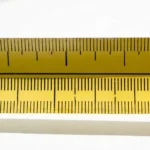
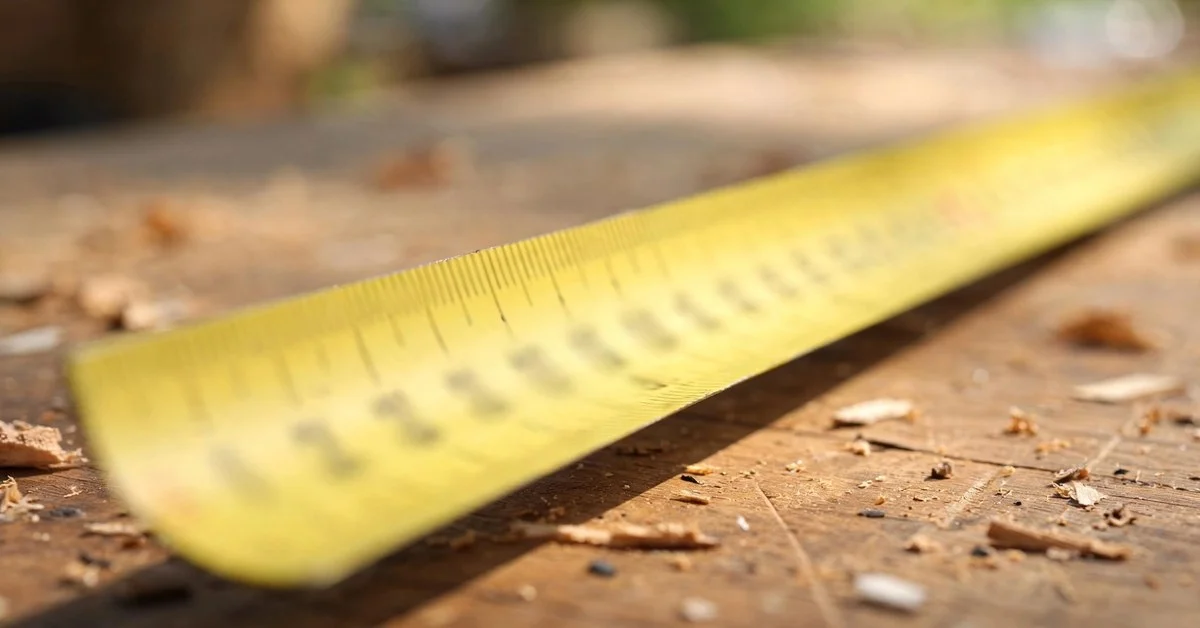
So how big is 8 inches in real terms? Picture a standard 12-inch ruler and stop two-thirds of the way along. That is eight inches. It is noticeably longer than most smartphones, which run about six to six and a half inches tall, yet clearly shorter than a sheet of printer paper at 11 inches. Once that middle ground clicks in your mind, estimating it becomes second nature.
For an 8 inches comparison against nearby lengths, look one step down and one step up. Six inches, about the length covered in our 6-inch guide, is roughly the height of a soda can. Twelve inches is a full foot, the classic ruler length. Eight inches sits comfortably between the two, closer to the foot than to the soda can. For the next step up, see how long 9 inches is.
Still asking how long is 8 inches compared to an object you can touch right now? Think of it as two credit cards laid end to end plus a little extra, or the length of a dollar bill with about two more inches tacked on. These little mental anchors turn an abstract number into something your hands understand.
Easy ways to estimate 8 inches in everyday life
- Use your hand: Spread your thumb and pinky as wide as they will go. For most adults, that tip-to-tip span lands right around 8 inches, giving you a built-in 8 inch reference wherever you are.
- Stop at the 8 on a ruler: On a standard 12-inch ruler or tape measure, eight inches is exactly two-thirds of the way along. Find the 8 mark and you are done.
- Grab a new pencil: An unsharpened wooden pencil measures about 7.5 inches, just a hair short of eight. Add the width of your fingertip and you are there.
- Picture a banana: A medium banana measures roughly 8 inches along its outer curve. If you have eaten one this week, you already know this length by feel.
- Look at your dinner fork: A standard dinner fork runs 7.5 to 8 inches from the tip of the handle to the end of the tines. Lay it next to anything to check the size.
- Check a small tablet: The iPad Mini’s screen measures 8.3 inches diagonally, just a touch more than eight. If a gadget is marketed as an 8-inch tablet, this is the size class it belongs to.
1. A Chef’s Knife Blade
The 8-inch chef’s knife is the workhorse of home and professional kitchens alike, and its blade is manufactured to measure exactly eight inches from tip to bolster. That precision makes it one of the most trustworthy references on this list. Cutlery brands settled on this length because it balances control and cutting power, so nearly every full-size chef’s knife you pick up follows the same standard. Next time you are sizing up a cutting board, a roast, or a sheet pan, lay the blade alongside it. If the object matches the blade, you are looking at eight inches.
2. A Medium Banana
Few things are as familiar as a banana, and a medium one measures roughly 8 inches along its outer curve. Grocery store bananas naturally fall in the 7 to 8 inch range, with medium specimens clustering right around the eight mark. Because you have held hundreds of them, your hand already knows this length better than any number on a page. The curve adds a little extra compared with a straight ruler, but for quick estimates that hardly matters. Hold a banana against a gap on a shelf or a space in a lunchbox, and you will know instantly whether eight inches will fit.
3. An Unsharpened Pencil
A brand-new wooden pencil, the classic yellow school kind, measures about 7.5 inches before its first trip to the sharpener. It is not a perfect eight, but it is close enough to serve as a pocket-sized gauge. Pencils are standardized, cheap, and scattered across every desk, drawer, and backpack in the country, which is exactly what makes them such a handy reference. Lay the pencil along the object you are measuring, then add roughly the width of your thumbnail to reach eight inches. Two pencil lengths back to back get you to about 15 inches.
4. A Standard Dinner Fork
Dinner forks are made to fit the human hand, and most standard ones run 7.5 to 8 inches from the end of the handle to the tips of the tines. Flatware follows consistent sizing within a set, so once you have measured one fork from your drawer, every matching fork in the house becomes a ruler. This is a particularly useful reference because it shows up exactly where you might need it, at the dining table. Setting a place and wondering if a serving dish will fit between settings? Lay a fork down as your gauge.
5. A Trade Paperback Novel
Trade paperbacks, the larger softcover books you find in bookstores, typically stand about 8 inches tall. Mass-market pocket paperbacks are shorter, but the trade format that most new novels and nonfiction books use clusters right around the eight-inch mark. Bookshelves are full of these, so the reference is always within reach at home. Stand the book upright next to a picture frame, a small shelf gap, or a gift box to judge the height. If the book and the object line up, you have found your eight inches.
6. An iPad Mini Screen
Apple’s iPad Mini has an 8.3-inch display, measured diagonally from corner to corner, which puts it just a hair above eight inches. Small tablets and e-readers from other brands cluster in the same 7 to 8.5 inch range because the size is ideal for one-handed reading. Screen sizes are printed on every product page and box, so the number is easy to confirm. When an online listing says “8-inch tablet,” picture the iPad Mini in your hands. That mental image will serve you well for any gadget described as eight inches long.
7. A Salad Plate
Salad and dessert plates generally measure 7.5 to 8.5 inches across, with eight inches being the most common diameter. They are deliberately smaller than dinner plates, which run 10 to 12 inches, and that size difference is easy to see when the two sit side by side in a cupboard. Plates are perfectly round and rigid, which makes them excellent for judging circular or square spaces. Setting the table and wondering whether a charger or a placemat will fit? The salad plate in your hand is showing you eight inches.
8. An 8-Inch Frying Pan
Skillets are sold by their diameter, and an 8-inch frying pan measures eight inches straight across the top. This is the small single-serving pan found in almost every kitchen, ideal for one fried egg or a personal omelet. Because the size is literally in the product name, there is zero guesswork involved. It also teaches a useful lesson about how cookware is measured: always across the top opening, not the base. Compare any round pan, lid, or burner to this little skillet to feel what eight inches of diameter looks like.
9. A Personal Pizza
Individual pizzas are very often sold as 8-inch pies, measured straight across. That size feeds one hungry person and fits neatly in a standard home oven, which is why pizzerias and frozen brands alike settled on it. The next time a pizza box lands on your table, take a second to really look at it. That circle is eight inches of delicious reference material. It works just as well for non-food estimates: a round cushion, a wall clock, or a serving tray about the size of a personal pizza is about eight inches across.
10. A TV Remote
Most TV and streaming remotes measure somewhere between 7 and 9 inches long, with eight inches being a typical figure. They are designed to rest comfortably in an adult palm, and that ergonomic target keeps their length remarkably consistent across brands. Remotes live on coffee tables and couch cushions, always within arm’s reach in the living room. Pick yours up and look at it with fresh eyes. That familiar rectangle is roughly eight inches long, and it is perfect for estimating the length of a bookshelf gap or the width of a small frame.
11. A Child’s Shoe
A US children’s shoe size 13 measures about 8 inches long inside, which makes a kid’s sneaker a surprisingly good reference. Parents handle these shoes daily, tying laces and checking for growing toes, so the size is deeply familiar to anyone with young children. Shoe sizes are printed right inside the tongue or on the box, so the measurement behind the number is easy to trust. Need to judge whether a toy, a book, or a lunchbox compartment is around eight inches? Line it up against a child’s shoe and you will have your answer.
12. An Adult’s Hand Span
Here is the 8 inches compared to a hand breakdown. Stretch your thumb and pinky as far apart as they will go and measure tip to tip: for many adults, that span lands right around eight inches. Men tend to run slightly wider and women slightly narrower, but eight inches is a fair middle estimate. This is the ultimate portable ruler because it goes everywhere with you. Use it to pace off shelf widths, curtain lengths, or the size of a package. For a second built-in gauge, the distance from wrist crease to middle fingertip runs about seven inches on many adults.
13. A Pair of Kitchen Scissors
Standard kitchen shears, the sturdy kind used for cutting herbs, twine, and packaging, typically measure about 8 inches from handle end to blade tip. They are longer and heavier than office scissors, and that extra length is exactly what puts them in eight-inch territory. Almost every kitchen drawer holds a pair, so the reference is easy to grab. Lay the closed shears alongside a baguette, a roll of wrap, or a piece of ribbon to check the length. If it matches the shears, you are looking at roughly eight inches.
14. A Standard Spiral Notebook
The classic US spiral notebook measures 8.5 by 11 inches, which puts its width just half an inch beyond our target. That near miss is actually useful: the width of a notebook gives you eight inches plus a small, easy-to-eyeball extra. Notebooks are everywhere in homes, schools, and offices, and their dimensions never change. Hold one up against a wall to judge a photo’s width, or lay it across a drawer to check the fit. Mentally shave off half an inch and you have a clean eight-inch estimate.
15. A Volleyball
A regulation volleyball has a circumference of 65 to 67 centimeters, which works out to a diameter of about 8.3 inches. That puts it just a touch above eight inches, close enough to be a genuinely useful sports reference. Balls are easy to visualize because their shape is so simple, and most people have held a volleyball at school or on the beach. Picture one sitting on a table. Anything about that wide, a small melon, a mixing bowl, a bike helmet, is sitting right around the eight-inch mark.
Frequently Asked Questions
What does 8 inches look like?
Eight inches looks like two-thirds of a standard ruler. It is shorter than a sheet of printer paper (11 inches) but clearly longer than most smartphones (about 6 to 6.5 inches tall). A medium banana or a chef’s knife blade shows it perfectly.
How does 8 inches compare to a hand?
For an 8 inches comparison to hand size, spread your thumb and pinky wide: the tip-to-tip span is about 8 inches on many adults. The distance from wrist crease to middle fingertip is a bit shorter, around 7 inches, so the full spread is the better gauge.
What objects are 8 inches?
Common examples include an 8-inch chef’s knife blade (exactly 8 inches), a medium banana, a standard dinner fork, a trade paperback novel, a salad plate, and an 8-inch frying pan. Each one is an everyday item you can picture or grab in seconds.
How long is 8 in in metric units?
Eight inches is exactly 20.32 centimeters or 203.2 millimeters, since one inch equals 2.54 centimeters. In meters, that is 0.2032 m, or about one-fifth of a meter.
Final Thoughts
So, how long is 8 inches? It is 20.32 centimeters, two-thirds of a ruler, and the length of some of the most familiar objects in your home. From the chef’s knife in your kitchen to the banana in your fruit bowl to the span of your own outstretched hand, eight inches is a measurement you can feel rather than just read.
That is what makes it such a practical length to learn. When a product page, a craft pattern, or a furniture listing mentions eight inches, you no longer have to guess or hunt for a tape measure. Picture a dinner fork, a paperback, or your own hand, and you will know the size instantly. Keep one or two of these references in mind, and estimating eight inches becomes something you do without even thinking about it.

I’m Owen Reeves, a content writer at MeasureZit.com, specializing in measurements, unit conversions, and mathematical concepts. I turn technical topics into clear, accurate content that’s easy to understand. My focus is precision, clarity, and genuinely useful information.