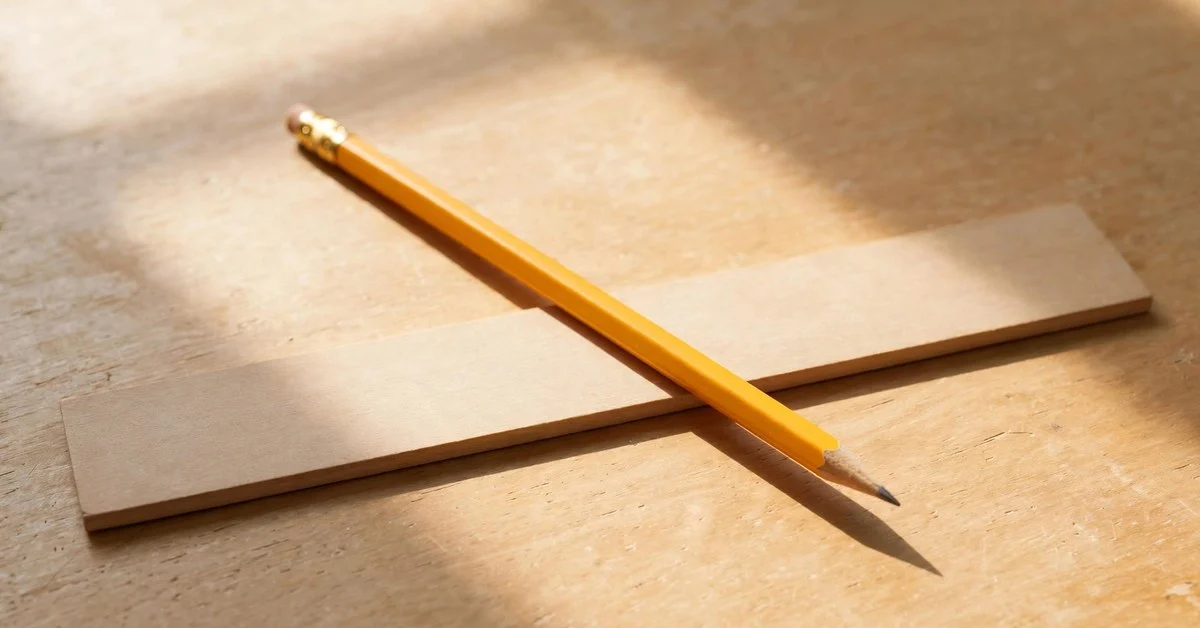
Grab a pencil from your desk and look at it. Seven inches is 17.78 centimeters, about the length of a standard pencil or a medium banana. If you have ever wondered how long is 7 inches, or asked for a 7 inches example from real life, you are surrounded by answers. Kitchens, desks and living rooms are full of objects that land right on this handy length.
Seven inches matters in everyday moments. Shoppers check it when sizing phone screens and tablets, cooks eyeball it when prepping vegetables, and crafters measure it when cutting ribbon or paper. Once you tie 7 inches to a few familiar things, you will judge it without thinking. Here are 15 common things that are 7 inches long, plus exact conversions and easy tricks for estimating on the fly.
7 Inches Conversion Chart
| Unit | Converted Value |
|---|---|
| Inches | 7 |
| Feet | ≈0.58 |
| Yards | ≈0.19 |
| Millimeters | 177.8 |
| Centimeters | 17.78 |
| Meters | ≈0.18 |
15 Common Things That Are 7 Inches Long
Common Objects That Are About 7 Inches
| Object | Approximate Length |
|---|---|
| A standard pencil | About 7–7.5 inches |
| A 45 RPM vinyl record | 7 inches in diameter |
| A 7-inch tablet | 7-inch screen |
| A medium banana | About 7–8 inches |
| A tablespoon | About 7–8 inches |
| A TV remote control | About 7–8 inches |
| An adult hand | About 7 inches |
| An ear of corn | About 7–9 inches |
More Everyday Items Around 7 Inches
| Object | Approximate Length |
|---|---|
| Two Crayola crayons end to end | About 7.25 inches |
| Two decks of playing cards | 7 inches |
| A mass-market paperback | About 7 inches tall |
| An eyeglasses case | About 6.5 inches |
| A large carrot | About 7–8 inches |
| A cucumber | About 7–9 inches |
| A DVD case | About 7.5 inches tall |
How Long Is 7 Inches?
Seven inches is a comfortable hand-size length. It is just over half a foot, an inch longer than 6 inches, and a little more than twice the width of a credit card. A dollar bill, at 6.14 inches, falls just short of it, while a standard tablet screen in the 7-inch class sits right on it. That tight cluster of familiar objects is what makes 7 inches so easy to learn.
Most people can picture it instantly. It is shorter than a sheet of paper is tall, longer than a smartphone is wide, and almost exactly the span from your wrist to the tip of your middle finger. Link it to two or three things you touch every day and the measurement becomes second nature.
Easy ways to estimate 7 inches in everyday life
- Grab a pencil: A standard pencil runs about 7 to 7.5 inches, making it the classic pocket ruler for this length.
- Span your hand: An adult hand measures roughly 7 inches from wrist crease to middle fingertip.
- Stack two card decks: Two standard decks of playing cards laid end to end measure exactly 7 inches.
- Think banana: A medium banana runs 7 to 8 inches, so picture one and trim the tip.
- Use two Pokémon cards: Each card is 3.5 inches long, so two laid end to end hit 7 inches. (See Pokémon card size for the exact dimensions.)
- Picture a paperback: A mass-market paperback stands about 7 inches tall, a book most readers know by feel.
1. A Standard Pencil
The humble pencil is the classic answer to how long 7 inches looks. A new, unsharpened pencil measures about 7.5 inches, and it shrinks toward 7 inches with its first few sharpenings. Pencil makers hold this length steady because it balances comfortably in the hand. Desks, drawers and backpacks everywhere hold at least one, which makes it the most available ruler in the world. Lay a pencil against anything you need to measure and you are looking at just over 7 inches. For quick estimates, nobody beats it.
2. A 45 RPM Vinyl Record
Music lovers get a perfect reference: the classic 45 RPM single is exactly 7 inches in diameter. Record presses cut them to this size worldwide, so the measurement never varies. The little vinyl disc with the big center hole is an icon of music history, familiar even to people who grew up on streaming. Hold your hands apart to frame an imaginary record and you are showing 7 inches. It is a fun, cultural way to carry the measurement, and it makes a great conversation starter when someone asks for a 7 inches example.
3. A 7-Inch Tablet
Tablets literally named after this length make the job easy. Devices in the 7-inch class, like the well-known budget tablets sold for years, measure 7 inches across the screen diagonally. Manufacturers picked the size because it fits a jacket pocket while staying readable. Millions of people own one or have held one, so the feel is widespread. Picture the small glowing rectangle in your hands and you are picturing 7 inches of screen. For tech-minded estimators, this is the most modern reference available.
4. A Medium Banana
A medium banana stretches about 7 to 8 inches from stem to tip. Fruit sizes vary, which is why this one earns an “about,” but the bananas in a typical bunch cluster tightly around this length. Their cheerful curve is recognized in every grocery store on Earth. Because you peel and eat them by hand, the length is already stored in muscle memory. Grab one and sight along it: that gentle arc is your edible ruler for 7 inches, and it comes with a snack attached.
5. A Tablespoon
A standard tablespoon measures roughly 7 to 8 inches from handle end to bowl tip. Flatware makers keep place settings proportional, so dinner tablespoons stay remarkably consistent across brands. Kitchen drawers everywhere hold a full set, and cooks handle them daily. The long, slender shape makes it a natural measuring stick for small tasks. Lay one on the counter next to whatever you are sizing up, and you have an instant kitchen gauge for how long 7 inches runs.
6. A TV Remote Control
The average TV remote runs about 7 to 8 inches long. Remote makers size them to fit the hand while leaving room for a full grid of buttons. Living rooms, hotel rooms and waiting areas all have one within reach, which makes this reference nearly universal. You have held thousands of them, so the length lives in your palm already. Next time you are channel surfing, take a second look at the remote. That familiar black slab is a ready-made picture of 7 inches.
7. An Adult Hand
An adult hand measures about 7 inches from the wrist crease to the tip of the middle finger. Hands vary, so this works best as a personal calibration: measure yours once against a ruler and remember the result. After that, your own body becomes a measuring tool you never leave behind. Carpenters, tailors and cooks have used hand spans for centuries for exactly this reason. Spread your hand, note where 7 inches falls on it, and you will carry this reference everywhere you go.
8. An Ear of Corn
An ear of corn runs about 7 to 9 inches long, with most good eating ears landing near the middle of that range. Farmers and grocers sort them by size, which keeps supermarket corn fairly uniform. Summer barbecues and corn mazes have made the shape familiar to everyone. Its tapered cylinder is easy to picture even in winter. Hold an imaginary ear between your hands and you are framing roughly 7 inches of sweet, summery length that works as a seasonal yardstick.
9. Two Crayola Crayons End to End
A standard Crayola crayon is 3 and 5/8 inches long, so two of them laid end to end stretch about 7.25 inches. Crayons are manufactured to exact specs so they fit boxes and sharpeners, which keeps the math dependable. Classrooms and kitchen junk drawers overflow with them, and almost everyone has snapped one in half at some point. Line two up on a table and you are looking at just over 7 inches. It is a colorful, kid-friendly way to nail the length, and doubling a known object is a handy estimating trick in general.
10. Two Decks of Playing Cards
A standard deck of playing cards is 3.5 inches tall, so two decks stacked end to end measure exactly 7 inches. Card makers cut them to this size worldwide, which makes the math airtight. Game nights, poker tables and magic tricks have put decks in millions of hands. The slim boxes stack neatly, inviting a quick experiment: set two boxes in a line and you have built a perfect 7-inch ruler. It is one of the most exact household references you can find without buying any tools.
11. A Mass-Market Paperback
The pocket-size paperback most readers know stands about 7 inches tall and 4.25 inches wide. Publishers standardized this trim size decades ago for spinner racks in drugstores and airports. Beach bags, backpacks and nightstands everywhere hold at least one, and the floppy little books are beloved for fitting in a back pocket. Pick one up and feel its height against your palm. That compact rectangle is a reader’s built-in gauge for 7 inches, learned over hundreds of commutes and vacations.
12. An Eyeglasses Case
A typical hard eyeglasses case runs about 6.5 inches long, just half an inch shy of our target. Case makers size them to fit standard frames with a little padding to spare. Purses, glove boxes and nightstands keep them close at hand for millions of glasses wearers. The slim, rigid shape is easy to summon mentally. Picture the case, then add the width of a finger to one end, and you have crossed into 7-inch territory with an object you probably own.
13. A Large Carrot
A large carrot stretches about 7 to 8 inches from top to tip. Vegetable sizes vary with the harvest, so this one earns an “about,” but the fat carrots sold in bunches cluster near this length. Their bright orange taper is unmistakable in any produce aisle. Cooks chop them daily, which puts the length right under the knife in a very literal sense. Hold one up next to whatever you are measuring and you have a crunchy, garden-fresh reference for 7 inches.
14. A Cucumber
A standard cucumber runs about 7 to 9 inches long, with most salad cucumbers landing in the middle of that range. Growers pick them at consistent sizes for packing, so grocery store cucumbers look remarkably alike. Their cool green cylinder shows up in salads, sandwiches and spa photos alike. Because they are long and straight, they make excellent impromptu rulers. Lay one beside a gap you need to fill or a box you need to size, and you will get a quick, honest read on 7 inches.
15. A DVD Case
A standard DVD keep case stands about 7.5 inches tall, half an inch past the mark. The size was fixed by industry standard back when DVDs ruled home entertainment, and it never changed. Shelves, libraries and thrift stores still hold thousands of them, and the tall plastic rectangle is instantly recognizable. The slight overshoot is easy to allow for: picture the case, then mentally trim the top edge. What remains is a media-era yardstick for 7 inches that most households still own.
FAQs About How Long 7 Inches Is
What object is exactly 7 inches long?
A 45 RPM vinyl record is exactly 7 inches in diameter, and two decks of playing cards laid end to end measure exactly 7 inches. A mass-market paperback also stands about 7 inches tall.
Is 7 inches bigger than a dollar bill?
Yes. A US dollar bill is 6.14 inches long, so 7 inches runs almost an inch longer. Lay a dollar flat and add about a finger’s width to picture 7 inches.
How long is 7 inches compared to an object?
Two standard decks of playing cards end to end equal exactly 7 inches. A medium banana, a TV remote, or two crayons laid in a line all land within a half inch of it.
How many centimeters is 7 inches?
Seven inches equals 17.78 centimeters. Multiply inches by 2.54 to convert, so 7 times 2.54 gives you 17.78 centimeters exactly.
Final Thoughts
How long is 7 inches? It is 17.78 centimeters, a bit more than half a foot, and roughly the length of a pencil, a banana, or your own hand. The beauty of this measurement is how many everyday objects sit right on it: records, paperbacks, remotes and card decks all cluster around 7 inches. Pick the two references you touch most often, maybe the pencil on your desk and the remote on your couch, and 7 inches becomes a length you can judge at a glance. No ruler, no app, no guessing, just the familiar things already around you. See also: how long 8 inches is and how long 9 inches is.

I’m Dane Whitfield, a content writer at MeasureZit.com, where I specialize in creating clear, accurate articles on measurements, unit conversions, and mathematical concepts. I enjoy breaking down complex numerical topics into simple, practical explanations that readers can actually use. My goal is always precision and clarity helping people make sense of the numbers around them.