Introduction
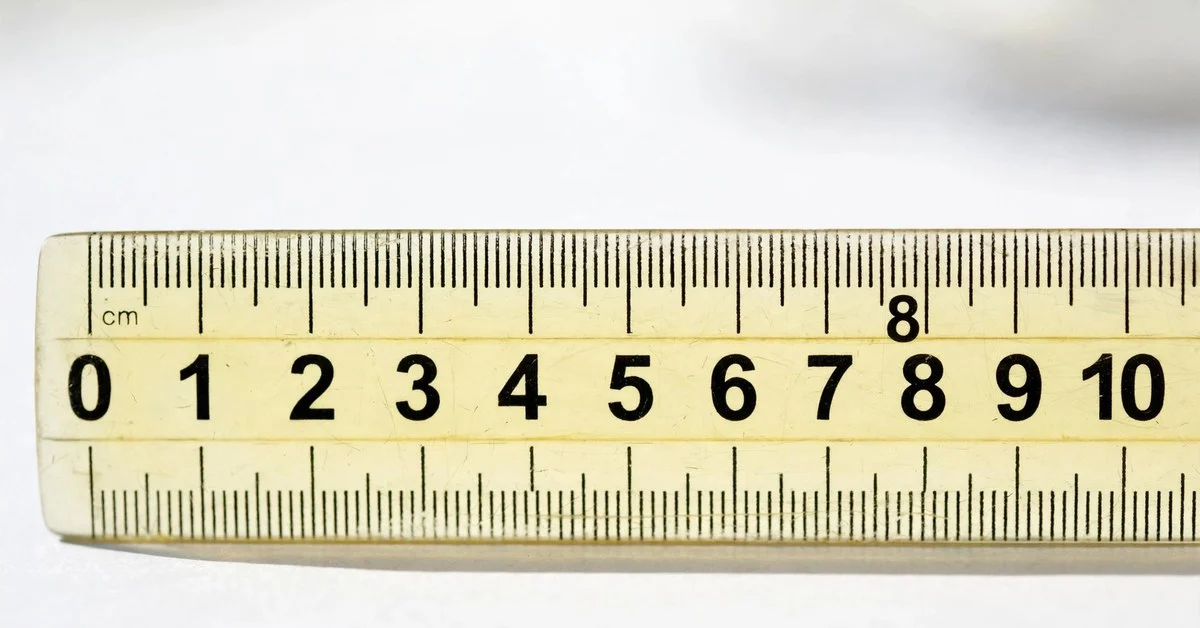
If you’re wondering how big 8 cm is, here’s the fast answer: 8 centimeters is about 3.15 inches — just over 3 inches, or exactly 80 millimeters. Hunting for everyday things that are 8 cm long? Fifteen of them are listed below. It’s a size you run into more often than you’d think. A credit card is 8.56 cm long. A large apple is about 8 cm across. Cooks size up mugs and cookies in this range, travelers compare passport and card dimensions, and DIYers measure small brackets and fittings in centimeters. Once 8 cm has a picture in your mind, those everyday measuring moments get much easier. A baseball is close, a playing card is close — pick one and you’re set.
8 cm Conversion Chart
| Unit | Converted Value |
|---|---|
| Inches | ≈ 3.15 in |
| Feet | ≈ 0.26 ft |
| Yards | ≈ 0.09 yd |
| Millimeters | 80 mm |
| Meters | 0.08 m |
15 Common Things That Are 8 cm Long
Here are fifteen familiar objects, each measuring about eight centimeters. The first table holds the closest matches; the second adds more everyday items in the same neighborhood.
Common Objects That Are About 8 cm
| Object | Approximate Length |
|---|---|
| A credit card (length) | 8.56 cm |
| A playing card (height) | 8.8 cm |
| A passport (width) | 8.8 cm |
| A large apple | about 8–9 cm |
| A standard mug (diameter) | about 8 cm |
| A baseball (diameter) | about 7.4 cm |
| Half a school ruler | 7.5 cm |
| An adult palm (width) | about 8–10 cm |
More Everyday Items Around 8 cm
| Object | Approximate Length |
|---|---|
| A pillar candle (diameter) | about 7–8 cm |
| A pocket mirror | about 7–8 cm |
| A bakery cookie | about 8–10 cm |
| A cricket ball (diameter) | about 7.2 cm |
| Two golf balls side by side | about 8.5 cm |
| A wine glass (bowl width) | about 8–9 cm |
| A UK light switch plate | 8.6 cm |
How Big Is 8 cm?
Eight centimeters sits in a sweet spot: bigger than your thumb, smaller than your hand span. At just over 3 inches, it’s a size most people can picture once they’ve seen it next to something familiar. A credit card’s long edge is 8.56 cm — picture that, then trim a sliver off, and you have 8 cm exactly.
For scale, 7 centimeters is a touch smaller — about the width of a cricket ball. 9 centimeters is a touch bigger. And 3 inches is 7.62 cm, just under our mark, which makes the inch-thinker’s estimate easy: a bit more than 3 inches.
You’ll meet 8 cm in card dimensions, fruit sizes, mug diameters, and small home fittings. It’s a practical, graspable length — literally graspable, since most of the objects below fit comfortably in one hand. Once you’ve handled a few of them with the number in mind, your eye starts calibrating itself. Before long, you’ll be calling out 8 cm estimates that surprise even you with their accuracy.
Easy ways to estimate 8 cm in everyday life
- Use a credit card: The long edge is 8.56 cm. Picture it, then shave half a centimeter off your mental image.
- Span your palm: For most adults, the width across the palm (below the fingers) is 8–10 cm. Check yours once against a ruler.
- Picture a baseball: At about 7.4 cm across, it’s just under. Imagine it slightly bigger and you’re at 8 cm.
- Halve a 15 cm ruler: A standard school ruler is 15 cm long, so half of it is 7.5 cm — just under 8 cm. Picture that half, then stretch it slightly.
- Think of an apple: A large apple is about 8–9 cm in diameter. Hold that round shape in your mind.
- Stack two golf balls: Each is 4.27 cm across, so two side by side make about 8.5 cm — trim a little.
1. A Credit Card (Length)
The long edge of a credit card measures 85.6 mm — about 8.6 cm, just over our target. Cards follow the ISO 7810 standard worldwide, so this dimension never varies by brand or country. It’s arguably the most universal measuring reference in modern life: billions of people carry one. Lay yours flat and look at its length. Gift cards and store loyalty cards use the identical format, so the reference multiplies. Trim roughly half a centimeter off in your mind, and you’re holding 8 cm.
2. A Playing Card (Height)
A standard poker-size playing card stands 8.8 cm tall (3.5 inches). Like credit cards, playing cards are made to strict standard dimensions, so a deck in any country gives you the same reference. Card players handle these for hours, which burns the size into memory. Picture one standing on a table, then take a little off the top — that’s 8 cm. Bridge-size cards run a touch narrower, so picture the standard poker deck.
3. A Passport (Width)
A standard EU passport measures 125 × 88 mm — about 8.8 cm wide. US passports are similar at roughly 8.9 cm wide. Travel documents are excellent references because their sizes are fixed by international agreement. The next time you’re at an airport, glance at the booklet in your hand: its width is just under 9 cm. The biometric chip inside doesn’t change a thing — the booklet’s dimensions stay the same.
4. A Large Apple
A large apple measures about 8 to 9 cm in diameter. Apples vary by variety — a Gala runs smaller, a Honeycrisp runs bigger — so think of the generous-sized ones in the produce display. Fruit is a great reference because you handle it weekly and its roundness is easy to visualize. Cup one in your palm the next time you pack a lunch: that familiar sphere is right around 8 cm. Smaller varieties like crabapples don’t count here — this is the full-size eating apple.
5. A Standard Mug (Diameter)
A standard coffee mug is about 8 cm across at the rim. Mugs cluster tightly around this size because it fits the average hand comfortably — too narrow feels fiddly, too wide feels clumsy. Wrap your fingers around your morning mug and notice the circle. That diameter, the distance straight across the top, is your 8 cm reference, refilled daily. Travel mugs run taller but share the same comfortable diameter.
6. A Baseball (Diameter)
A regulation baseball measures about 7.3 to 7.6 cm in diameter (the rules specify a 9 to 9.25-inch circumference). It’s just under our mark, which makes it a perfect “slightly small” anchor. Sports equipment follows strict specs, so every baseball is essentially identical. If you’ve ever held one, you know the feel: add a few millimeters all around in your mind and you land on 8 cm. Softballs run bigger at about 9.7 cm, so don’t confuse the two.
7. Half a School Ruler
A standard 15 cm school ruler, folded in half in your mind, gives you 7.5 cm — just under 8 cm. Rulers are the original measuring reference, and most of us grew up with one in a pencil case. Picture the ruler, find the middle, and imagine the half from 0 to 7.5. Wooden, plastic, or metal — a 15 cm ruler is a 15 cm ruler. Stretch it a touch longer and there’s your 8 cm.
8. An Adult Palm (Width)
For most adults, the width across the palm — measured below the fingers, thumb tucked — falls between 8 and 10 cm. Hands vary, so this is a personal gauge worth calibrating once against a ruler. After that, it’s unbeatable: always available, no tools needed. Spread your hand on the table and look at its width. Measure yours once against a ruler and you’ll have a gauge that’s literally always on hand. That span is your body’s own 8 cm estimate.
9. A Pillar Candle (Diameter)
A standard pillar candle is about 7 to 8 cm in diameter. Candles are made in consistent molds, so the size holds across brands. They make a nice reference because they’re simple cylinders — easy to picture, easy to compare. The next time you see one on a mantel or dinner table, note its width: that round column is just about 8 cm across. Tea lights are far smaller, so this means the classic chunky pillar.
10. A Pocket Mirror
A round pocket or compact mirror typically measures 7 to 8 cm across. The size is driven by ergonomics: big enough to show your face, small enough for a bag. Cosmetic compacts are remarkably consistent for the same reason. Picture one flipped open on a vanity. The kind that folds into a purse or pocket — not the wall-mounted kind. That circle of glass is your 8 cm, with a very practical second job.
11. A Bakery Cookie
A bakery-style cookie — the thick, generous kind from a café — runs about 8 to 10 cm across. These are bigger than the homemade scoop-sized ones, so think of the impressive slabs behind the glass counter. Food references stick because they’re tied to pleasure and routine. The next time you buy one, register its diameter before the first bite. The mini two-bite versions are closer to 5 cm, so this is strictly the full bakery slab.
12. A Cricket Ball (Diameter)
A regulation cricket ball measures 71.9 to 72.6 mm across — about 7.2 cm, a touch under our mark. Like baseballs, cricket balls are built to strict specifications, so the size is dependable worldwide. For the billions of cricket fans out there, this is an instant reference. White limited-overs balls share the same size as the traditional red ones. Picture the leather sphere, add a few millimeters, and you have 8 cm.
13. Two Golf Balls Side by Side
A single golf ball is 42.7 mm in diameter, so two sitting side by side span about 8.5 cm — just over our target. Golf balls are manufactured to exact rules, making them precision references. It’s a fun mental image: two little dimpled spheres in a row. Practice balls and real ones match in diameter, so either works. Trim a sliver off the pair and you’ve measured 8 cm without any tools.
14. A Wine Glass (Bowl Width)
The bowl of a standard wine glass measures about 8 to 9 cm at its widest point. Glassware varies by style — a Burgundy glass runs wider, a flute narrower — so picture the classic all-purpose shape. It’s an elegant reference for dinner-party estimating. Swirl, sip, and notice: the widest part of that bowl is roughly 8 cm across. Champagne flutes are much narrower — picture the all-purpose glass instead.
15. A UK Light Switch Plate
A standard UK single light switch plate measures 86 × 86 mm — about 8.6 cm square. It’s included as the international entry on this list: a fixed, standardized size found in millions of homes. If you live in the UK, you touch one daily. Double plates are wider, so this reference is the single square plate. That square on the wall is just over 8 cm on each side.
Frequently Asked Questions
Is 8 cm bigger than 3 inches?
Yes, slightly. Three inches equals 7.62 cm, so 8 cm is about 4 mm bigger — roughly the thickness of two stacked coins. For quick estimates, you can call them even.
What object is exactly 8 cm?
Few everyday objects hit 8 cm exactly, but a standard mug’s rim diameter and a large apple’s width both land right around it. A credit card’s long edge (8.56 cm) is the closest precision-made reference.
How many millimeters are in 8 cm?
Exactly 80. Multiply by 10: 8 cm × 10 = 80 mm. The decimal metric system keeps the math clean at every size.
Is 8 cm a common phone width?
Close. Most modern smartphones are 7 to 7.8 cm wide, so 8 cm is just a touch wider than your phone. Picture your phone with a slim case on it.
See also: how big 12 cm is. See also: how big 15 cm is.
Final Thoughts
So, how big is 8 cm? It’s a credit card’s length, a large apple’s width, a mug’s rim — a comfortable, hand-friendly size that turns up in wallets, kitchens, and sports bags. Link the number to any one of these objects and the abstract becomes concrete. Card dimensions, fruit sizes, and small fittings will all start reading at a glance. Eight centimeters is small enough to hold and big enough to matter — a genuinely useful size to know by heart. The next time a listing mentions 8 cm, you won’t reach for a converter — you’ll just see it. Whether you’re sizing a phone mount, judging a cookie, or checking a small fitting, that mental picture does the work in a split second.

I’m Dane Whitfield, a content writer at MeasureZit.com, where I specialize in creating clear, accurate articles on measurements, unit conversions, and mathematical concepts. I enjoy breaking down complex numerical topics into simple, practical explanations that readers can actually use. My goal is always precision and clarity helping people make sense of the numbers around them.










