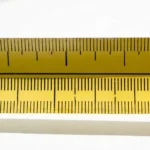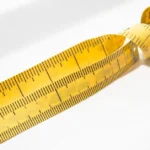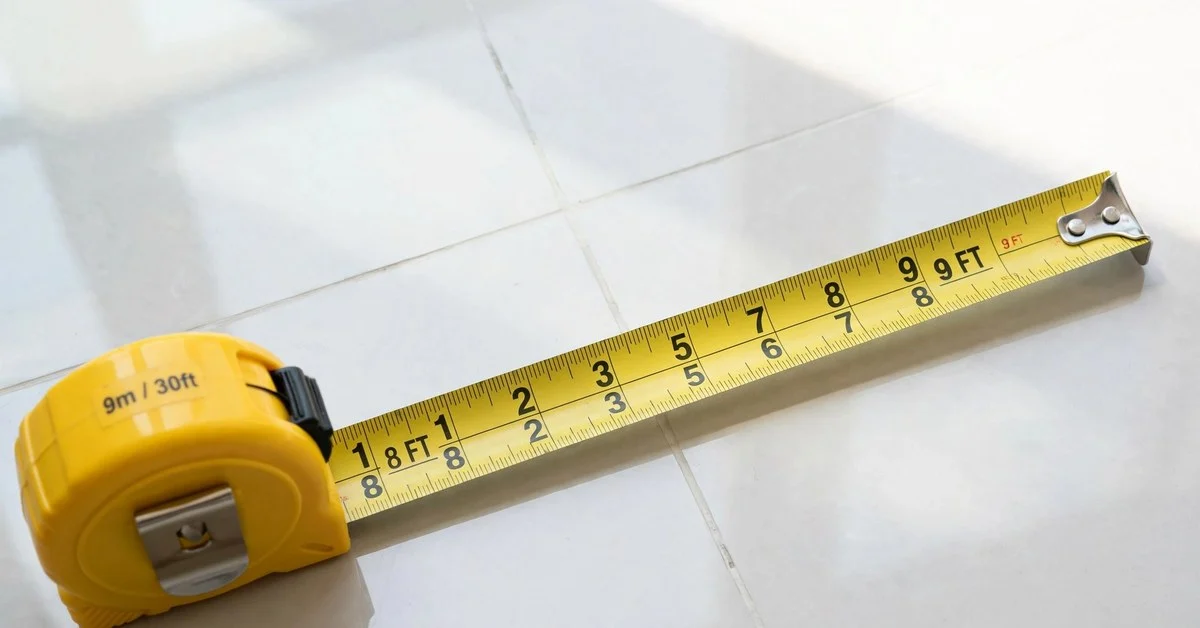
Saturday afternoon. Deck chairs out, drinks sweating, and above it all a circle of shade exactly wide enough to cover the table and everyone around it. That circle is 9 feet across — 108 inches, 274.32 centimeters, about 2.74 meters, exactly three yards. Nine feet is the generous middle of measurement: bigger than any person, smaller than any car, the size of shade, of tournament tables, of ceilings in houses built this century. It’s three yardsticks end to end, and once you learn to see it, backyards and game rooms start making a lot more sense. One hundred eight inches is three yards exactly — the rare length that’s clean in both feet and yards at once. It shades the patio table, stretches the tournament pool table, and lifts new-house ceilings a full foot above the old standard. Below: fifteen nine-footers, from longboards to lemon sharks, plus the story of the single foot that separates nine feet from basketball immortality.
Nine Feet of Game
Games love nine feet. It’s the dimension of serious tables — big enough for real play, small enough for a basement.
A regulation 9-foot pool table is the tournament standard: 108 inches of slate and felt, the table the pros play on. Everything about it is bigger and truer than the bar-size 7-footer — longer shots, tighter pockets, no excuses. If you’ve only ever played on a bar table, your first rack on a 9-footer is a humbling education in geometry. It needs a room about 14 by 18 feet, which is why it lives in clubs, not apartments.
A regulation table-tennis table measures 9 feet long by 5 feet wide — 108 by 60 inches, the Olympic dimension. The size never varies, from basement rec rooms to the Olympic final: same 9 feet, same 30-inch height, same 6-inch net. When a rally stretches the full nine feet, you’re watching the fastest hands in sports cover the longest table in the house.
A 9-foot stand-up paddleboard is the all-around SUP — 108 inches of stable, glidey fun for lakes and calm bays. At nine feet it’s long enough to track straight and short enough to car-top without drama, which is why rental fleets buy this size by the dozen. Beginners love it because it forgives; veterans keep one because it’s easy.
Nine Feet of Shade and Water
A 9-foot patio umbrella is the standard large canopy — 108 inches across, shading a 48-inch table plus four chairs with room to spare. It’s the size restaurants buy by the dozen and homeowners graduate to after the 7-footer proves too stingy. The rule: your umbrella should be at least two feet wider than your table on every side. For the classic 4-foot patio table, nine feet of umbrella is the math working out perfectly.
A 9-foot inflatable dinghy is the tender-classic: 108 inches of PVC or Hypalon that ferries people and groceries between the dock and the moored boat. Nine feet carries three adults plus gear, planes (reluctantly) with a small outboard, and rolls up into a bag that fits a car trunk. It’s the biggest small boat — any longer and you’d need a trailer.
Nine Feet at Home
Walk into a house built in the last twenty years and look up. That extra air you’re feeling has a number.
A 9-foot ceiling — 108 inches — is the modern upgrade from the classic 8-foot standard. Builders sell it as a premium feature because it changes everything: taller windows, 8-foot doors that finally look proportional, curtains that hang like they mean it. The extra foot costs more in materials and heating, but buyers keep paying it. Nine feet is the new “nice house” tell.
108-inch curtains are the long-format drapes made for those 9-foot ceilings. Hung with the rod near the ceiling (not at the window frame), they make windows look taller and rooms feel grander — the oldest designer trick in the book. For 8-foot ceilings you’d buy 96-inch panels; the 108s are how you can tell, from the sidewalk, that the ceilings went up a foot.
A 108-inch sofa is the generous three-seater — nine feet of couch that anchors a large living room without needing a sectional’s corner. At this length it seats four in a pinch, naps one in luxury, and still leaves the room feeling like a room. Measure your wall and your doorways: nine feet of sofa is a delivery-day puzzle.
A 108-inch dining table seats ten in comfort, twelve at a holiday squeeze. Nine feet of table is the banquet length — the one that needs a dedicated dining room, not a nook. Before you fall in love, tape the footprint on the floor and pull the chairs out: you need 36 inches of clearance on every side, which turns nine feet of table into fifteen feet of room.
Nine Feet in the Wild
At nine feet, animals stop being “big” and start being “don’t.” These are the lengths that command real estate.
A yellow anaconda reaches nine to fourteen feet — a nine-footer is a solid adult, thick as your thigh and strong enough to matter. Smaller than its green cousin but quicker to irritate, the yellow anaconda is the reason South American ranchers check the water trough carefully. Nine feet of constrictor is nine feet of “nope.”
A lemon shark runs nine to ten feet — 108-plus inches of coastal cruiser. Lemons are the social sharks, gathering in groups in shallow water, and at nine feet they’re big enough to make swimmers nervous and mellow enough to usually not matter. Marine biologists love them; they’re the lab rats of shark science, at nine feet long.
A nurse shark maxes out around nine feet — the sluggish bottom-dweller divers love to photograph. Nine feet sounds alarming until you watch one nap under a coral ledge, which is its primary hobby. Most “shark bite” statistics involving nurse sharks involve a human doing something the shark found rude.
A wels catfish — Europe’s river monster — reaches nine feet and beyond in the big continental rivers. At 108 inches it’s longer than a tall man, whiskered, and capable of eating a duck whole (documented). Anglers travel across Europe for a nine-foot wels the way golfers travel for famous courses.
A spotted eagle ray’s wingspan stretches nine to ten feet — a living stealth bomber gliding over tropical shallows. The nine-foot span is all wing; the body is a fraction of that. Watching one fly underwater, spots flashing, redefines what nine feet can look like: not long, but wide, and utterly graceful.
An American white pelican’s wingspan reaches about nine feet — 108 inches of black-and-white soaring wing. They’re among the heaviest flying birds in North America, and they need every inch of that nine-foot span to stay aloft. When a flock kettles overhead, nine feet times thirty birds is a sky full of wingspan.
The Rim Test: Nine Feet vs. the 10-Foot Hoop
Here’s the signature comparison: nine feet against the most famous ten feet in sports — the basketball rim. The rim hangs 10 feet off the floor. Nine feet is one foot under it. That single foot is the difference between the rim you can touch and the rim you can’t, and understanding it teaches you both measurements at once.
First, why ten feet? When James Naismith invented basketball in 1891, he nailed peach baskets to the gymnasium’s balcony railing — which happened to be ten feet high. The height stuck through pure inertia and became sacred. Every rim on Earth, from driveways to arenas, honors a railing in Springfield, Massachusetts.
Now the nine-foot version: lower the rim to nine feet and dunking becomes mortal. A six-foot person with an average vertical reach can touch about 7.5 to 8 feet standing flat-footed (fingertips at roughly 1.33 times height). Add a 20-inch vertical jump — decent athleticism, nothing freakish — and you’re swatting at nine feet. That’s why adjustable hoops set to nine feet are the sweet spot for teenagers learning to dunk: the rim is achievable, the bragging rights are real.
The one-foot gap is also a training tool. Coaches mark nine feet on a wall or a pole and have players touch it on every jump — it’s the “can you play above the rim?” test for youth leagues. Touch nine feet consistently and you’re ready for real minutes; the ten-foot rim is just twelve more inches of ambition.
Practically speaking, nine feet is the highest thing most people can meaningfully interact with. You can touch it with a jump, hang a banner from it with a ladder, change the bulb in a 9-foot ceiling fixture with a step stool. Ten feet needs equipment; nine feet needs effort. That one-foot difference is the line between “I can reach it” and “I need the ladder” — and now you know exactly where it falls.
Last trick: the three-stride pace. A purposeful adult stride runs about three feet heel-to-heel, so three big steps covers roughly nine feet. Pace it off in the store aisle when you’re eyeing that 9-foot umbrella or the 108-inch sofa: one, two, three strides, and you’ve walked the canopy’s diameter. It’s accurate within about six inches, which is plenty for “will it fit” decisions. Combine it with the umbrella rule from this article — canopy two feet wider than the table per side — and you can spec patio shade with nothing but your feet and your eyes. Nine feet: three yards, three strides, zero guesswork.
What Shoppers Ask About Nine-Foot Gear
Is a 9-foot umbrella too big for a 6-foot table?
No — it’s exactly right. Umbrella sizing follows a simple rule: the canopy should extend at least two feet beyond the table on every side, so a 6-foot table wants a 10-foot umbrella in theory and a 9-footer in practice (10-foot umbrellas need serious bases). The 9-foot canopy covers the table plus the chairs and the people in them, which is the whole point. Too small is the common mistake; too big is rare.
Will a 9-foot pool table fit in my basement?
Measure before you dream. A 9-foot table plays 100 by 50 inches but measures about 114 by 64 overall with the rails, and you need five feet of cueing room on every side — that’s a room roughly 14 by 18 feet minimum. Low ceilings are the silent killer: you need clearance for a full backswing on every shot, not just the long ones. Tape the footprint, mime the shots, and be honest about the support poles.
How high do I hang the rod for 108-inch curtains?
As close to the 9-foot ceiling as you can — typically 104 to 106 inches off the floor, so the panels just kiss the ground. The designer rule is “high and wide”: mount the rod 4 to 6 inches below the ceiling and 4 to 6 inches beyond the window frame on each side. Curtains hung at the window frame instead of the ceiling visually shrink the room; hung high, 108-inch panels make 9-foot ceilings look even taller.
Do 9-foot ceilings need taller doors?
They don’t need them, but standard 80-inch doors look stubby under 108-inch ceilings — there’s 28 inches of wall above the frame, which reads as a mistake. Designers recommend 8-foot (96-inch) doors for 9-foot ceilings; the proportion looks intentional and the taller doors feel luxurious to walk through. It’s the most common upgrade regret in new construction: the ceilings went up, but the doors stayed standard.
What’s the difference between a 9-foot table-tennis table and a 9-foot pool table in room needs?
About four feet per side. Table tennis needs roughly 5 feet of clearance around the 9×5 table (room ~19×11 feet for real play), while pool needs 5 feet around a much bigger playing surface (room ~14×18 minimum, more for comfort). Table tennis is the more basement-friendly nine-footer — and the table folds up. The pool table is a marriage; the ping-pong table is a date.
See also: how long 8 feet is.
See also: how long 12 feet is.
Nine Feet, Three Yards, Zero Guesswork
Nine feet is the measurement of generosity — of shade that actually covers the chairs, tables that host real tournaments, ceilings with room to breathe, and sharks with room to roam. It’s three yards, one foot under the rim, three strides across the patio, and the biggest small number in the house. Hold the umbrella test in your mind: if the shade covers the table and the people, that’s nine feet. Pace it, picture it, buy it with confidence. You’ll never misjudge it again — and the next time someone says “nine feet,” you’ll see the circle of shade before you see the number.

I’m Owen Reeves, a content writer at MeasureZit.com, specializing in measurements, unit conversions, and mathematical concepts. I turn technical topics into clear, accurate content that’s easy to understand. My focus is precision, clarity, and genuinely useful information.