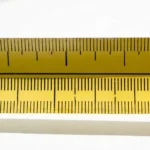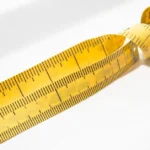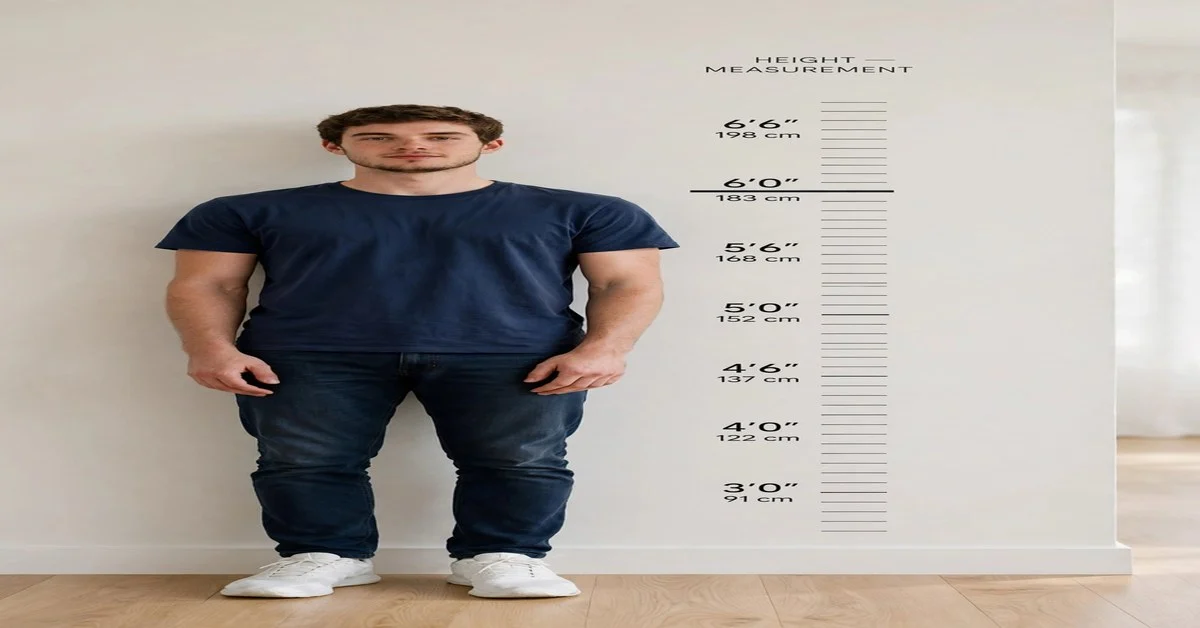
Everyone in Hollywood is six feet tall. Just ask them. The number shows up in so many actor bios that casting directors joke about it — six feet is the height every leading man rounds up to and every model claims on her comp card. But beneath the vanity, 6 feet is exactly 72 inches, 182.88 centimeters, about 1.83 meters, and it’s one of the most culturally loaded measurements in existence. It’s the fence height, the tall-person line, the length of the sofa you just ordered. This guide looks at six feet through the people who claim it, the furniture built for it, and the wild things that wear it naturally. Six feet divides neatly into halves, thirds, and sixths, which is one quiet reason it became a building and furniture standard. It’s also a cultural threshold — the line where “tall-ish” officially becomes “tall.” Below are fifteen six-footers for your mental ruler, from fences to longhorns, plus an honest audit of which famous faces actually clear the six-foot bar and which ones are standing on Hollywood’s tiptoes.
The Fence That Defines the Neighborhood
If there’s one six-foot object every suburbanite knows by heart, it’s the fence. It draws the line — literally — between your yard and everyone else’s.
A 6-foot privacy fence is the standard backyard boundary across America: 72 inches of cedar, vinyl, or composite boards that block sight lines without requiring a permit in most jurisdictions. It’s tall enough that neighbors can’t see over it standing flat-footed, short enough not to feel like a compound wall. Walk any suburb and you’re walking a six-foot corridor. When fence companies quote “the standard,” this is the height they mean.
Goals Built to Six Feet
Sports settled on six feet independently, in different games, for different reasons — which tells you something about how natural this dimension feels to the human body.
A lacrosse goal measures six feet by six feet — a perfect 72-inch square of net and pipe. The square is iconic: goalies defend six feet of width and six feet of height with their bodies, sticks, and reflexes. It’s one of the few goals in sports that’s as tall as it is wide, and that symmetry is why lacrosse goals are so photogenic.
An ice hockey goal stretches six feet wide (and four feet tall). The 72-inch width is the shooter’s canvas — every angle, every five-hole, every top-shelf snipe is measured against six feet of opening. Goalies talk about “taking away the bottom six feet” because, well, that’s all there is.
Six-Foot Furniture
Furniture makers love 72 inches. It’s the length that seats three, spans a wall, and still fits through a doorway when tilted on the diagonal.
A 72-inch double bathroom vanity is the master-bath standard: six feet of countertop with two sinks, two mirrors, and enough elbow room that couples stop fighting about it. Each person gets roughly 36 inches of territory — a yard apiece. Remodelers call this the “marriage saver” width, only half joking.
A 6-foot kitchen island anchors the modern open-plan kitchen. Seventy-two inches seats three stools comfortably along one side with room for prep on the other. Shorter islands feel like an afterthought; longer ones need a bigger kitchen to breathe. Six feet is the island that earns its floor space.
A 72-inch console table is the entryway and sofa-back standard — long enough to look intentional, narrow enough (usually 14 to 18 inches deep) to hug a wall. Six feet of console holds lamps, keys, art, and the accumulated archaeology of family life without ever feeling cluttered.
A 6-foot entryway bench gives a foyer its purpose: sit, remove shoes, stash them below. At 72 inches it seats two adults or three kids, with cubbies or a shelf underneath for the shoe pile. It’s the first thing guests use and the last thing you see leaving — six feet of welcome.
A 72-inch TV console is the media-wall anchor, six feet of cabinetry built to hold the 65- to 75-inch TVs most living rooms now feature. The console should run a few inches wider than the TV on each side, which is why 72 inches pairs so perfectly with the 65-inch class. Measure twice, stream forever.
A 72-inch executive desk is the corner-office classic: six feet of wood with room for a computer, a phone, actual paper, and the framed photo that says you have a life. Home offices borrow this scale because it signals permanence — this isn’t a laptop on a card table, it’s a headquarters.
A 72-inch butcher-block countertop is sold by the six-foot length at lumberyards and home centers — the standard run for islands, workbenches, and laundry rooms. Maple, walnut, or oak, an inch and a half thick, 72 inches long: it’s the slab that turns a base cabinet into a workspace.
Six Feet in the Yard
A 6-foot garden windmill — the decorative metal kind, not the farm kind — spins above flower beds at about 72 inches tall. It’s tall enough to catch the breeze over the fence line and short enough to install without concrete footings. Garden centers sell them as the “standard” size because six feet reads as sculpture, not machinery.
Six feet in the animal kingdom
Animals don’t care about our benchmarks, which makes it all the more striking when they land exactly on one.
A bald eagle’s wingspan stretches about six feet, tip to tip. America’s bird is built for soaring: six feet of broad wing that catches thermals and barely needs to flap. When one passes overhead, that six-foot shadow crossing the ground is the fastest way to identify it — no other common raptor is quite that wide.
A 6-foot tarpon is a trophy — 72 inches of silver muscle that migrates along warm coasts and fights like nothing else inshore. Anglers call them silver kings, and a six-footer is the fish of a lifetime for most. They roll at the surface in passes and channels, and when a six-foot tarpon goes airborne, everyone on the boat forgets to breathe.
A bison stands about six feet at the hump — 72 inches of muscle, horn, and bad attitude (the attitude is mostly defensive; bison would rather you left). The hump is the highest point, a mass of muscle that powers that massive head. Standing next to one at a national park pullout, six feet has never felt so small.
A Texas longhorn’s horn span reaches six to seven feet tip to tip on a mature steer. That’s wider than a tall man is tall, carried on an animal that weighs half a ton. Ranchers measure horn spans the way fishermen measure catches — and six feet is the number that starts the bragging.
Famous Six-Footers: Who Actually Stands 6’0″
Now the signature section — the six-foot hall of fame, and how to spot the exaggerators. Hollywood’s relationship with height is, to put it kindly, aspirational. But a surprising number of famous faces really are listed at an even six feet.
The reliably six-foot club includes Chris Evans (Captain America needed the inches), Ryan Gosling, Jake Gyllenhaal, Benedict Cumberbatch, and Henry Cavill — all widely listed at 6’0″ across studio bios and reputable profiles. In sports, Drew Brees quarterbacked at a listed six feet (considered short for the NFL, which tells you everything about that league), and Allen Iverson dominated basketball at six feet flat — tiny by NBA standards, towering by everyone else’s.
Here’s how to read a celebrity height claim like a detective. First, compare against known quantities: if an actor “six feet tall” looks eye-to-eye with a co-star listed at 5’10”, somebody’s rounding. Second, watch the footwear — red-carpet lifts and boots add an easy inch or two, and action heroes are rarely photographed barefoot. Third, check the morning number: everyone is tallest first thing in the morning, and celebrity bios tend to use the generous figure.
The deeper truth is why six feet matters so much in the first place. It’s a round-number threshold — crossing from the fives into the sixes reads as a category change, the way $99.99 reads differently from $100. Casting directors historically favored leading men at six feet because the camera loves the proportion: tall enough to dominate a frame, not so tall that co-stars need apple boxes. That preference leaked into culture, and now six feet is the height people claim the way they’d claim a good GPA.
But here’s the practical payoff: once you know what a real six-footer looks like — eyes at about 67 inches, shoulders just under five feet, head clearing a 72-inch doorframe by nothing at all — you can calibrate every other height against them. The celebrities are just convenient, well-photographed rulers. Use them.
Try the photo test next time you’re scrolling. Find a red-carpet photo of a listed six-footer standing next to someone of known height, and compare eye levels — eyes don’t lie the way posture does. A true six-footer’s eyes sit about four inches above a 5-foot-8 co-star’s. Then flip it: find a photo of yourself next to a tall friend and do the same math. You’ll start seeing the four-inch eye-level gap everywhere, in every group photo ever taken. It’s the fastest party trick in measurement: no tape, no asking, just eyes. And once you’ve internalized what 72 inches looks like on a person, furniture listings stop being abstract — “72-inch bookcase” instantly becomes “taller than me by this much,” which is a far more useful measurement than any number.
Questions About the Six-Foot Mark
Am I really six feet if I measure 5’11” in the evening?
You’re experiencing spinal compression, and it’s completely normal. The discs in your spine compress under gravity during the day, and most people measure half an inch to a full inch shorter in the evening than first thing in the morning. If you’re 6’0″ out of bed and 5’11” at night, claim the morning number with a clear conscience — that’s what everyone else does too.
Is six feet tall for a woman?
Yes — strikingly so. At six feet, a woman stands around the 99th percentile for female height in the US, a full eight inches above the 5’4″ average. She’ll be taller than the vast majority of men she meets as well. The fashion industry barely acknowledges her existence: runway models are tall but usually 5’9″ to 5’11”, and off-the-rack clothing assumes shorter proportions, which is why tall women’s specialty retailers thrive.
What size bicycle does a six-foot person need?
Generally a large frame — about 58 to 60 centimeters for a road bike, or a large/XL mountain bike. At six feet with a typical 33- to 34-inch inseam, the standover height and reach both land in large territory. But inseam varies: a six-footer with long legs and a short torso fits differently than one built the opposite way. Always test-ride; the chart gets you to the right neighborhood, not the right house.
Why do so many actors claim to be six feet?
Because six feet is the industry’s unofficial leading-man spec, and nobody checks. A 5’10” actor listed at 6’0″ gets considered for roles written “six feet tall,” and the two-inch gap is invisible on camera — directors control sight lines, footwear, and co-star pairings. It’s the entertainment industry’s worst-kept secret: the six-foot leading man is often five-ten in socks. The camera adds ten pounds and, apparently, two inches.
Do I need a bigger car if I’m six feet tall?
Not necessarily — check two numbers. Front headroom of at least 38 inches keeps your hair off the headliner (most sedans offer 38 to 40), and front legroom of 42 inches or more keeps your knees out of the dash. The real issue is often the sunroof, which eats an inch or two of headroom, and the rear seat, where a six-footer behind a six-foot driver is a negotiation. Test-drive with the seat where you’d actually put it, not where the salesperson left it.
How do doorways relate to six feet?
A standard interior doorway is 80 inches tall — eight inches above a six-footer’s crown. That’s why six-foot people move through houses without thinking about clearance, and why anyone taller starts developing the doorway duck. If you’re renovating for a tall family, that 8-inch margin is your comfort zone: fine at six feet, gone by six-six. And it’s a handy gauge in reverse — if someone’s head nearly brushes the top of a doorframe, they’re around six-four, not six feet.
See also: how long 4 feet is.
See also: how long 7 feet is.
Owning Your Six Feet
Six feet is part measurement, part mythology — 72 inches of lumber and drywall, plus a century of Hollywood aspiration. Whether you’re buying the fence, ordering the sofa, settling a bar bet about an actor’s real height, or just trying to picture the bookcase in the listing photo, you now have the tools: the furniture that wears it, the animals that own it, the goalies who defend it, and the famous faces that prove it. Stand tall. Check the eye level. Count the heads. Next time someone claims six feet, you’ll know exactly how to verify it. You’ve earned the inches — all seventy-two of them, no rounding required.

I’m Owen Reeves, a content writer at MeasureZit.com, specializing in measurements, unit conversions, and mathematical concepts. I turn technical topics into clear, accurate content that’s easy to understand. My focus is precision, clarity, and genuinely useful information.